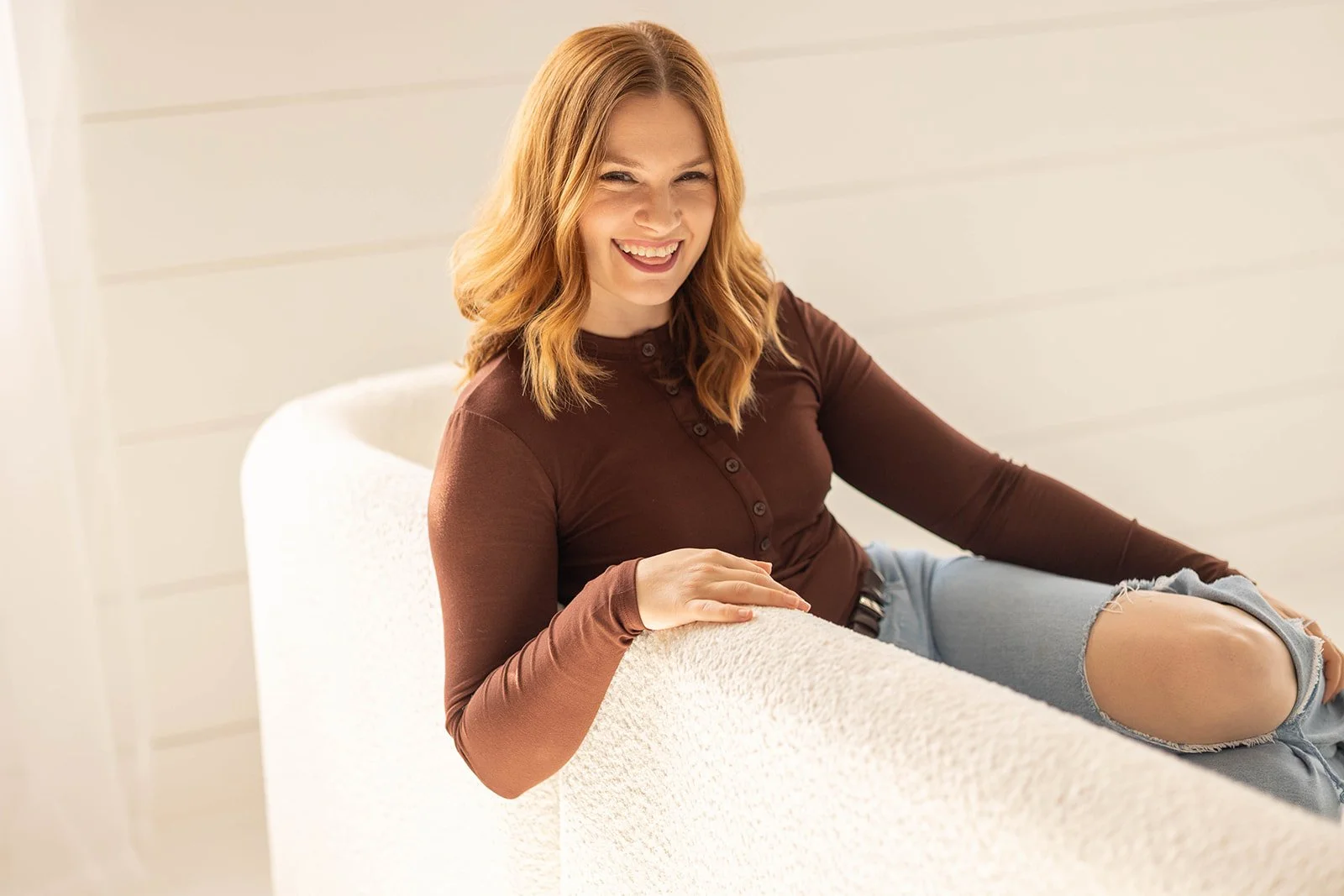
Welcome to Edit & Bloom — where style grows through curation, intention, and thoughtful editing.
I’m so excited to finally begin documenting a process I’ve been quietly shaping over the last several years. What started as a personal reflection on my wardrobe slowly became something much bigger: a journey toward understanding how clothing, identity, and consumption intersect.
This blog exists as a place to explore that process openly. It’s about learning how to refine rather than accumulate, how to build a wardrobe that reflects who you are, and how to approach personal style with both creativity and intention.
The Moment That Made Me Look Closer at My Wardrobe
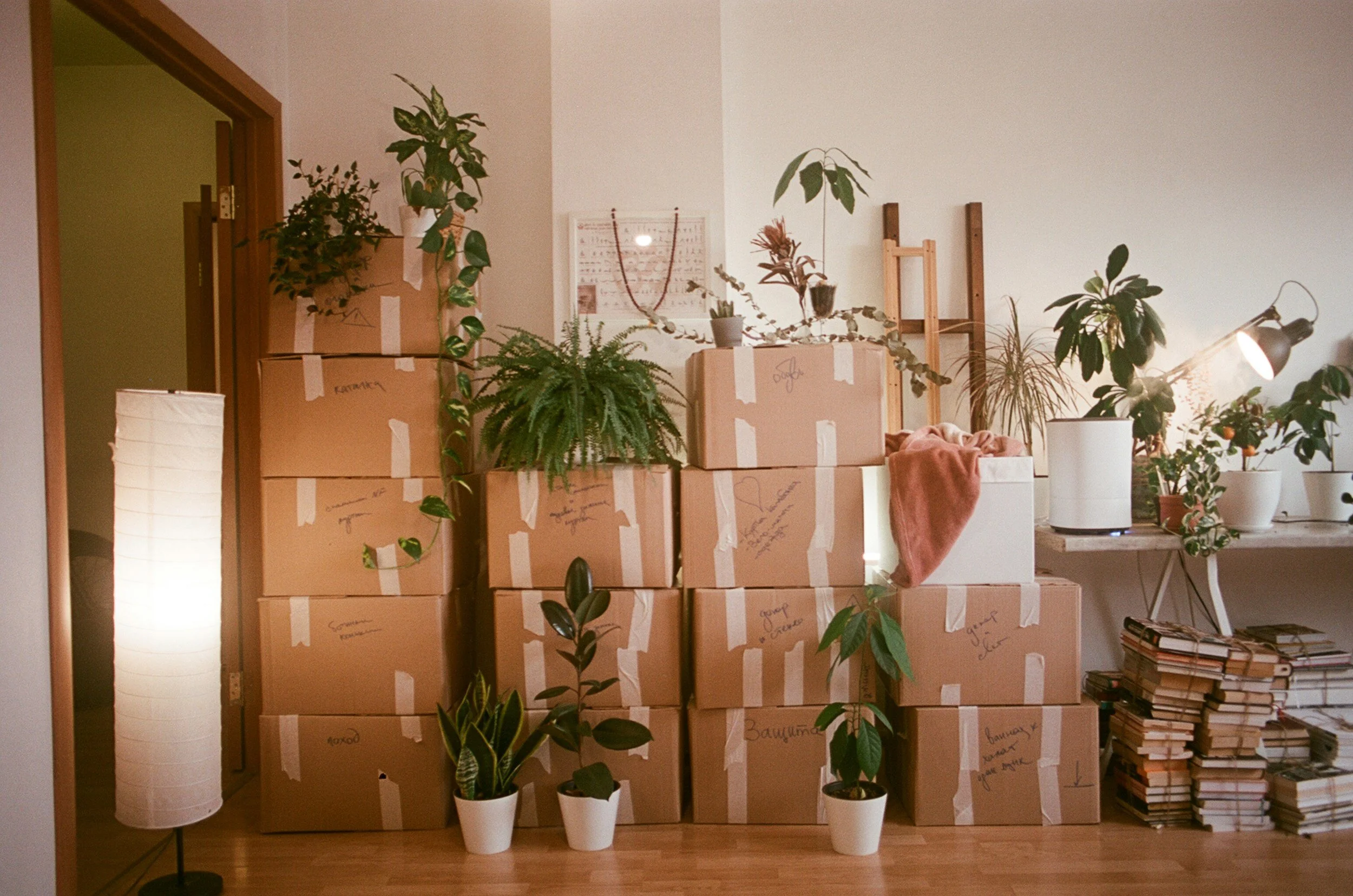
After my husband and I purchased our home in our small rural township in Indiana, we quickly realized something uncomfortable. The home we thought would provide more than enough space wasn’t nearly large enough for everything we owned. Between the two of us, we carry over thirty years of combined experience in luxury retail.
With those careers came years of exposure to beautiful clothing, evolving trends, and wardrobes that grew alongside our professional lives.
But when we finally began settling into our new space, I had to confront something I had avoided for years. We simply owned too much. The realization forced me to look deeper than just the physical clutter. It pushed me to examine the habits and decisions that created it in the first place.
Confronting My Shopping Habits
When I finally sat down to examine my finances and spending patterns, I discovered something unsettling. Although I had significantly decreased the number of new items I purchased, I hadn’t actually decreased my spending. The problem wasn’t just what I was buying — it was the habit behind the buying itself.
My shopping patterns had quietly become a coping mechanism. Even now, it feels difficult to name it plainly. But honesty matters here. Many of my purchases weren’t driven by need at all. More often than I would like to admit, I was shopping out of boredom. Sometimes it was a quick break during a stressful workday. Sometimes it was simply the comfort of browsing a store that felt familiar.
Recognizing that pattern created an uncomfortable but necessary pause. It forced me to start asking questions before every purchase:
Why do I want this?
Will I actually wear it?
Or am I simply filling a moment of boredom?
When I looked at my closet, honestly, I saw the results of years of impulse rather than intention. Many garments I once felt certain I would love quickly became pieces I passed over when getting dressed. The result was a wardrobe full of items that didn’t truly represent my personal style. I needed a different way forward.
Discovering Capsule Wardrobes and Intentional Fashion
My perspective began to shift when I discovered the world of capsule wardrobes and sustainable fashion. Through thoughtful creators on YouTube, I was introduced to the idea that a wardrobe could be smaller, more intentional, and still incredibly expressive.
What started as casual curiosity slowly became something closer to obsession. I became fascinated by the idea of a refined wardrobe — one built through editing instead of constant accumulation. I watched women thoughtfully evaluate their clothing, refine their personal style, and confront their own relationships with consumption.
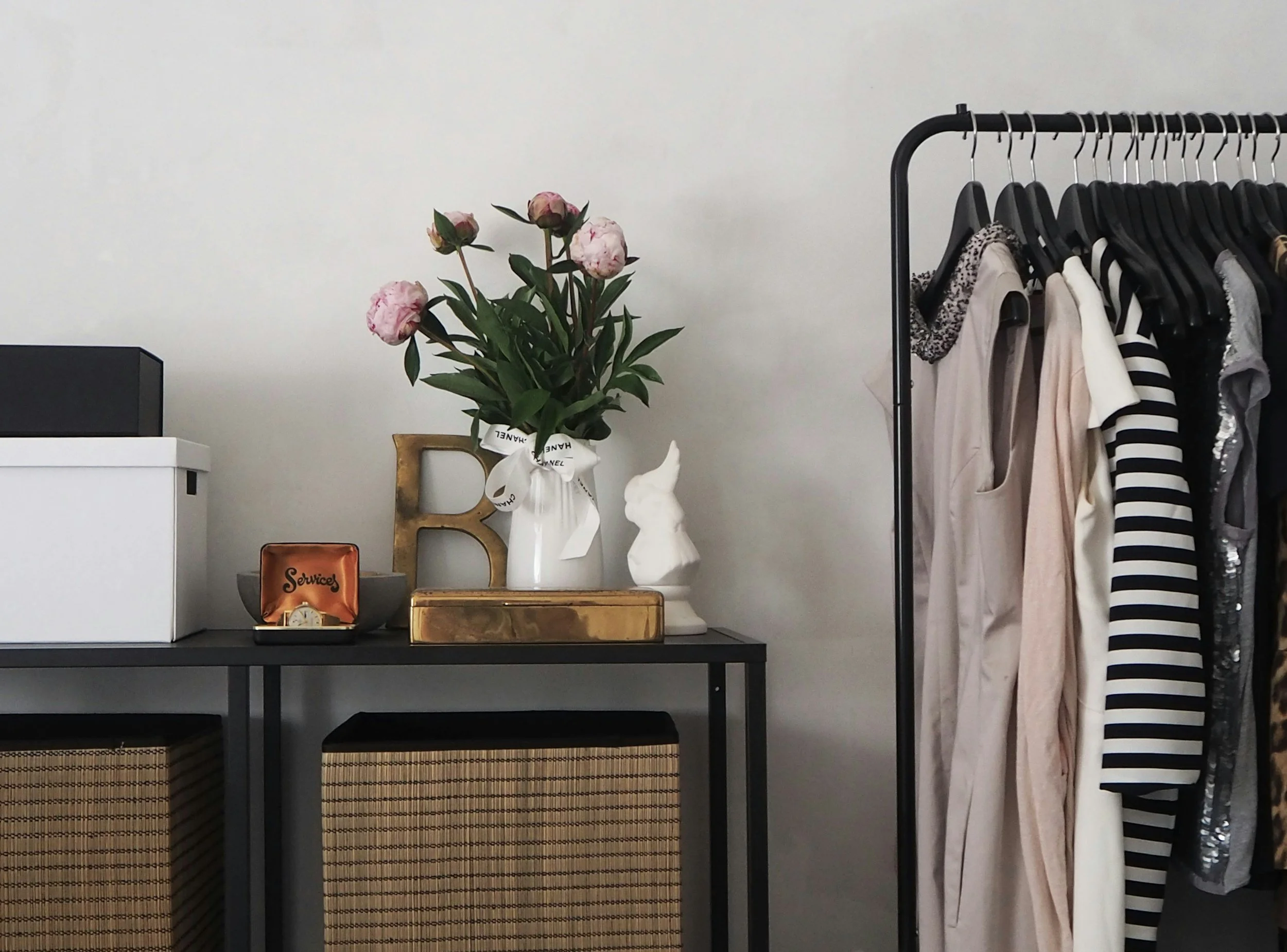
For three or four years, I followed creators who documented their wardrobes in this way. Watching them gave me permission to begin asking myself difficult but important questions:
What do I actually wear?
What pieces do I consistently reach for?
What do I want my style to say about me?
Those questions became the foundation of what would eventually grow into Edit & Bloom.
Several creators helped shape my thinking during this time, including Courtney Carver, whose minimalist wardrobe experiment Project 333 helped popularize the concept of simplified dressing. I was also inspired by creators like Signe Hansen and Christina Mychas, who openly discuss consumption, sustainability, and personal style evolution. Their work helped me realize that wardrobe editing isn’t about restriction — it’s about clarity.
My Personal Style: Comfortable, Playful, and Intentional
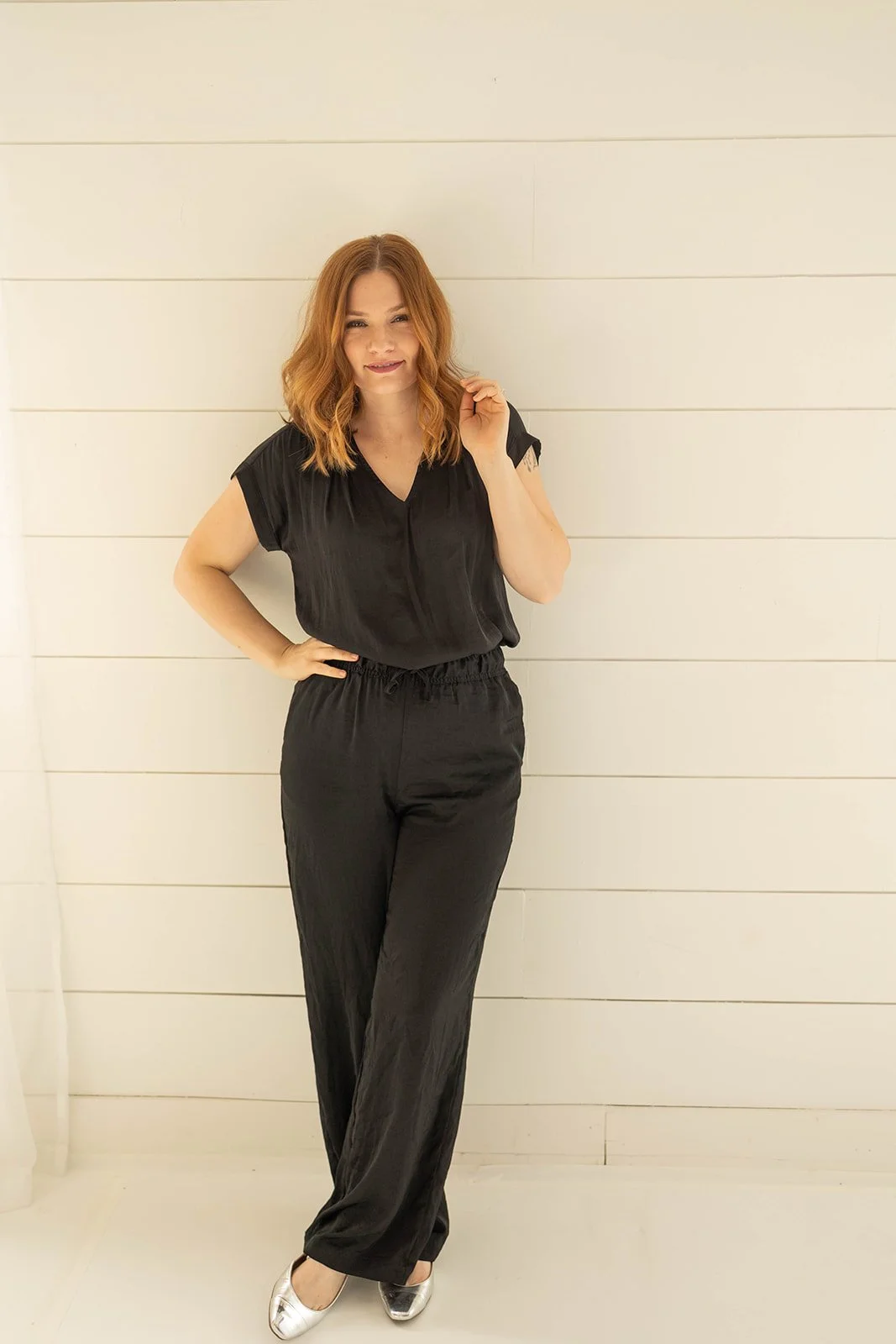
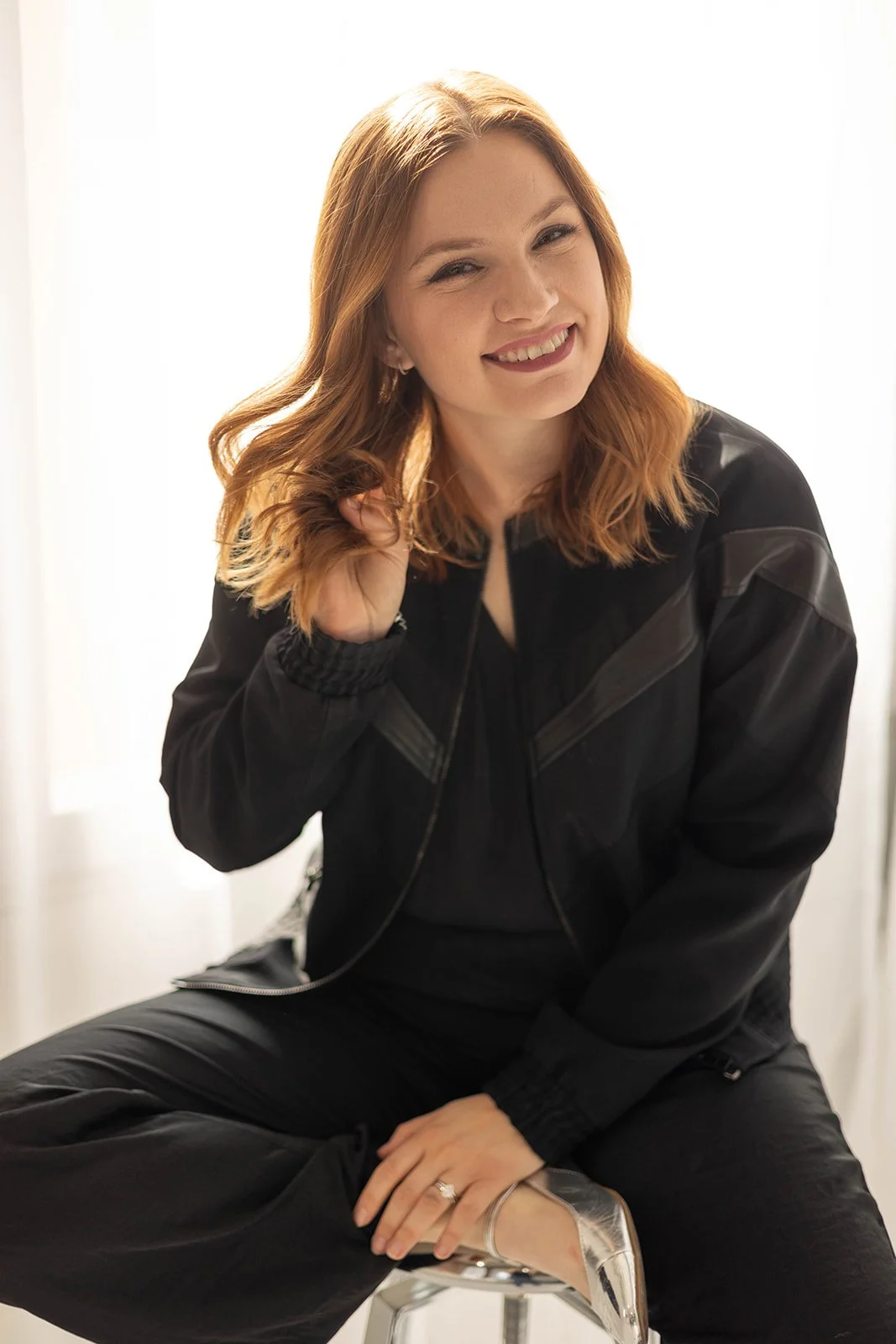
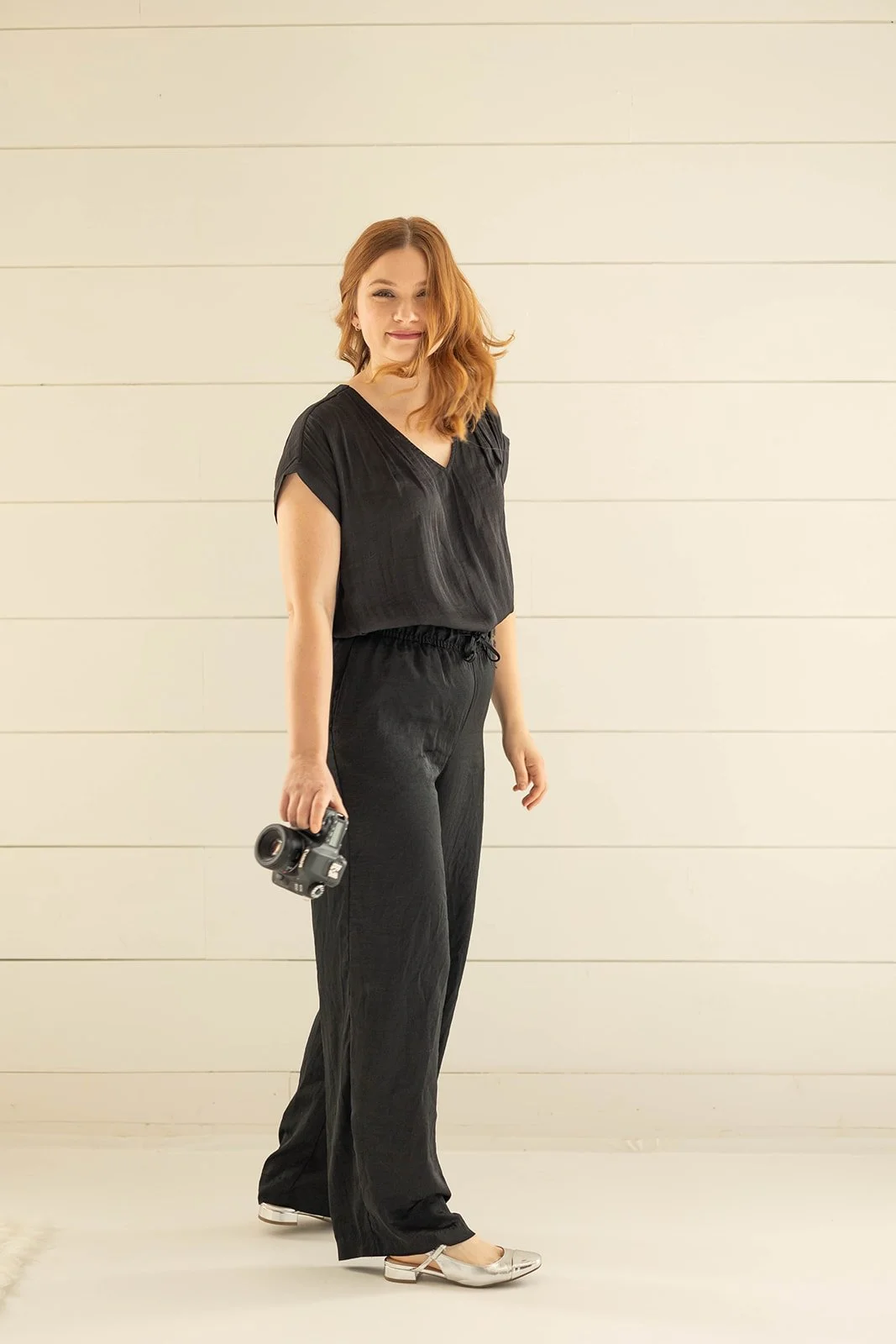
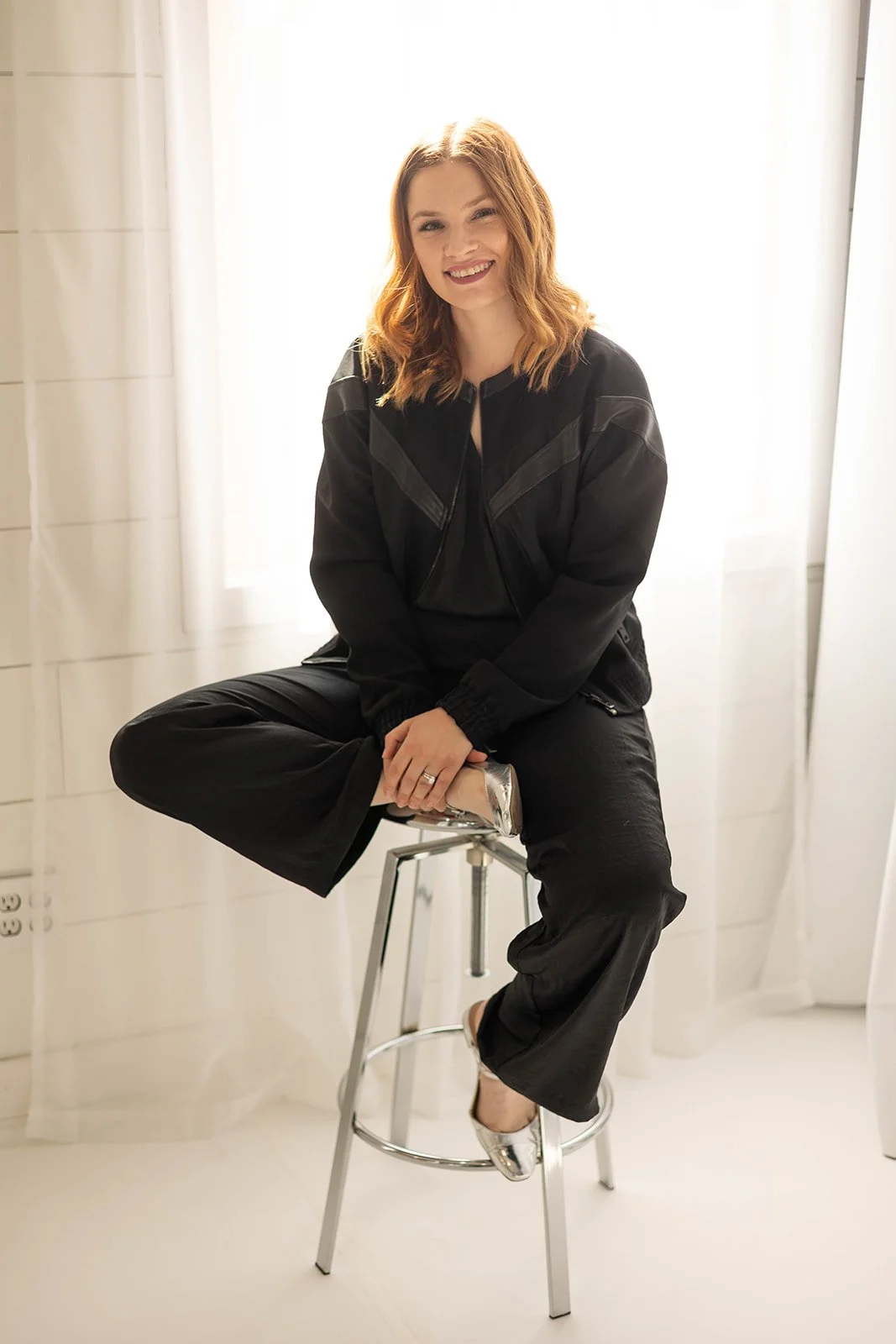
For context, I’m a woman in my mid-thirties. I’m married to my best friend, and together we share our home with three very spoiled fur-babies. Creativity has always been a core part of my identity, and personal style has been one of the ways that creativity expresses itself in my everyday life.
Comfort is my absolute first requirement when it comes to clothing. If something isn’t comfortable, I simply won’t wear it — no matter how stylish it may be. But comfort alone isn’t enough. I also want my outfits to feel intentional. I want to look like I chose my clothing with purpose rather than throwing something on without thought.
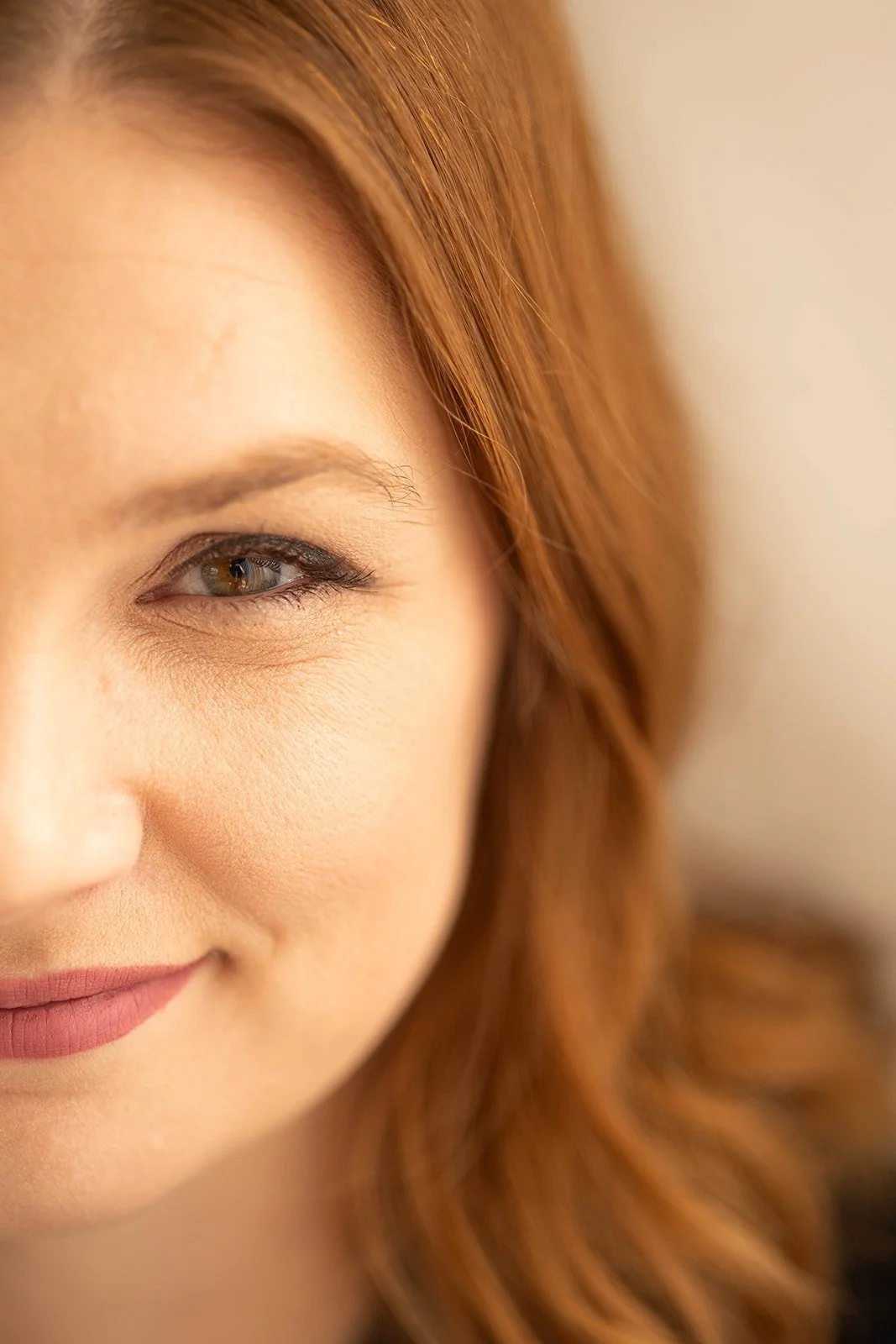
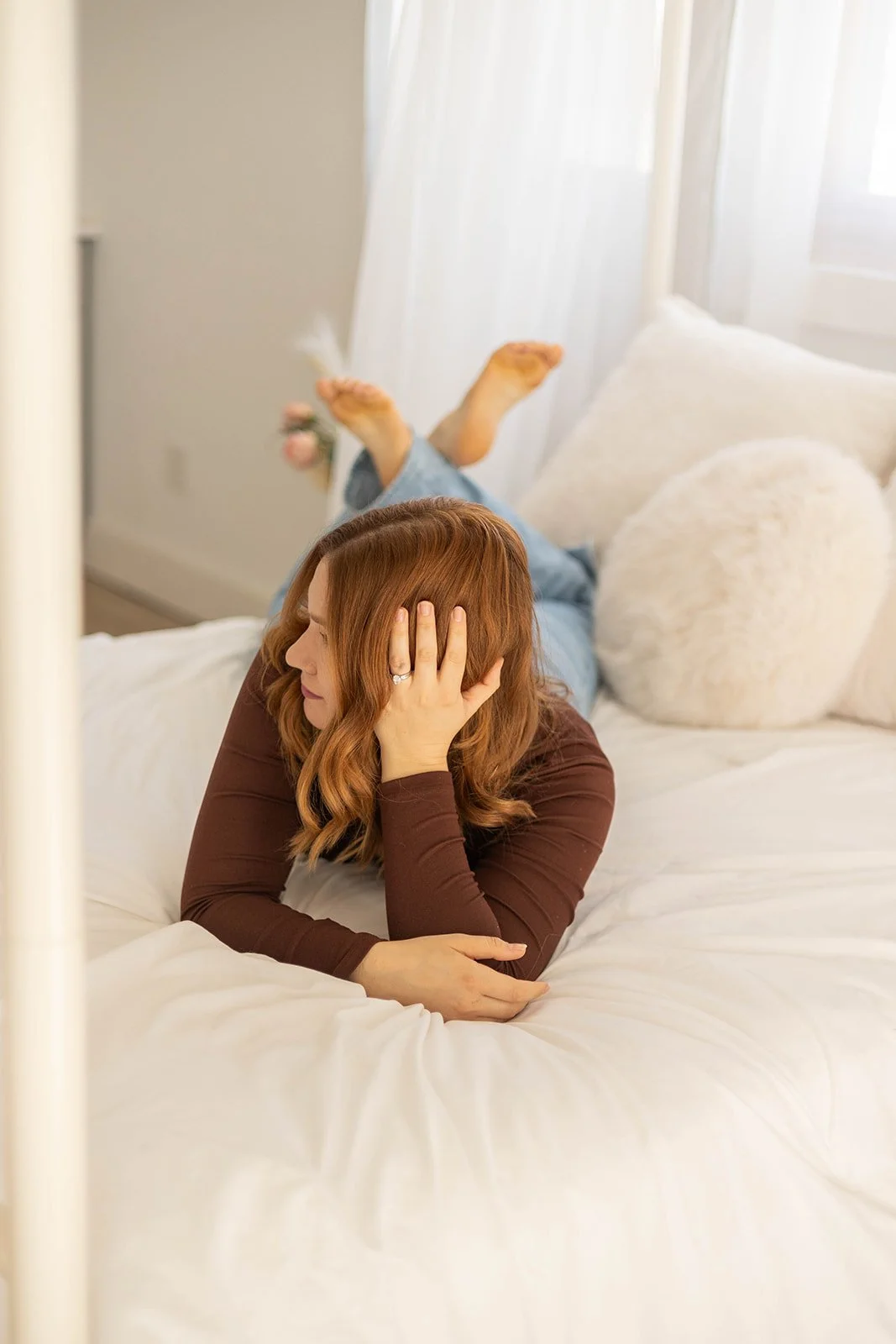
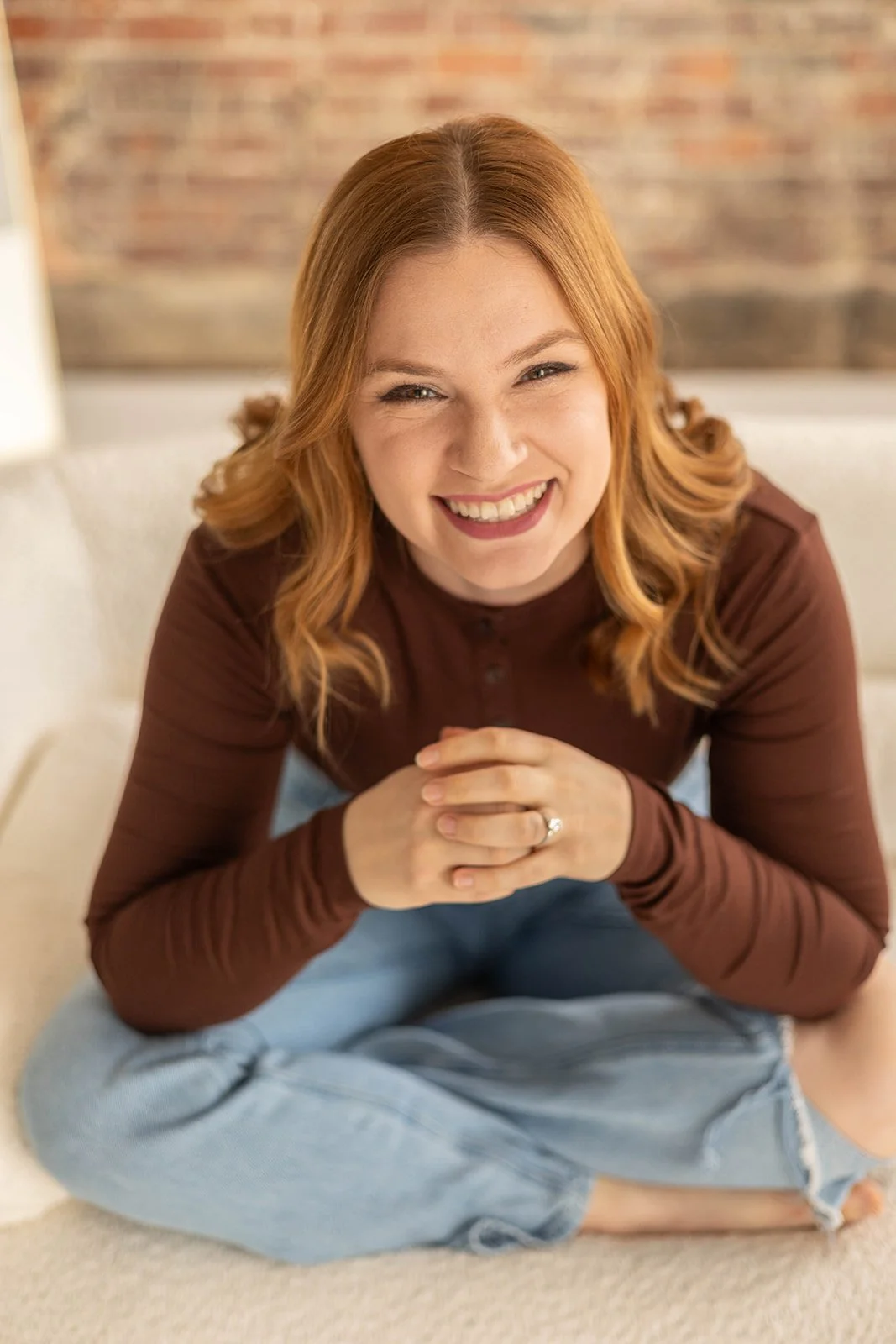
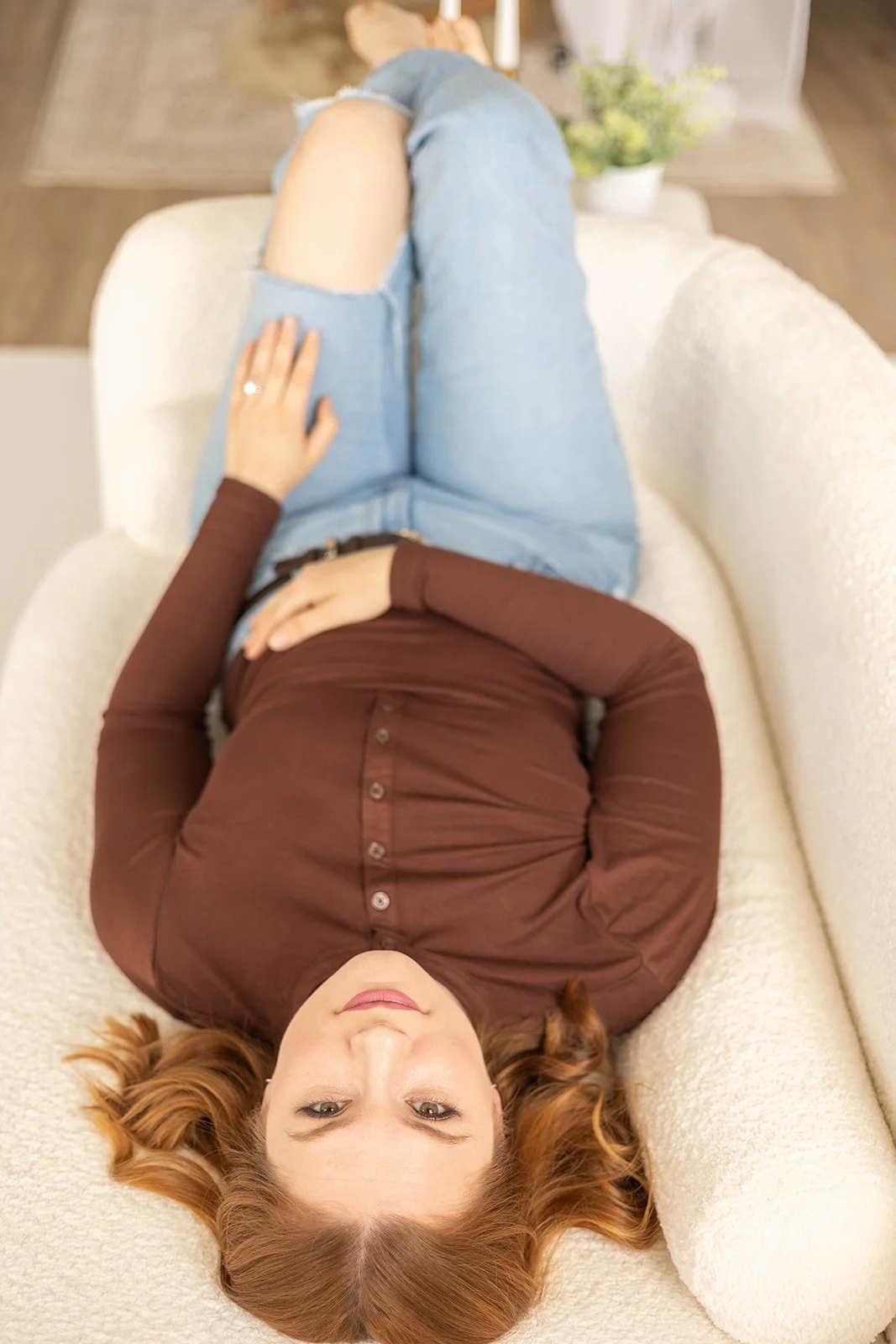
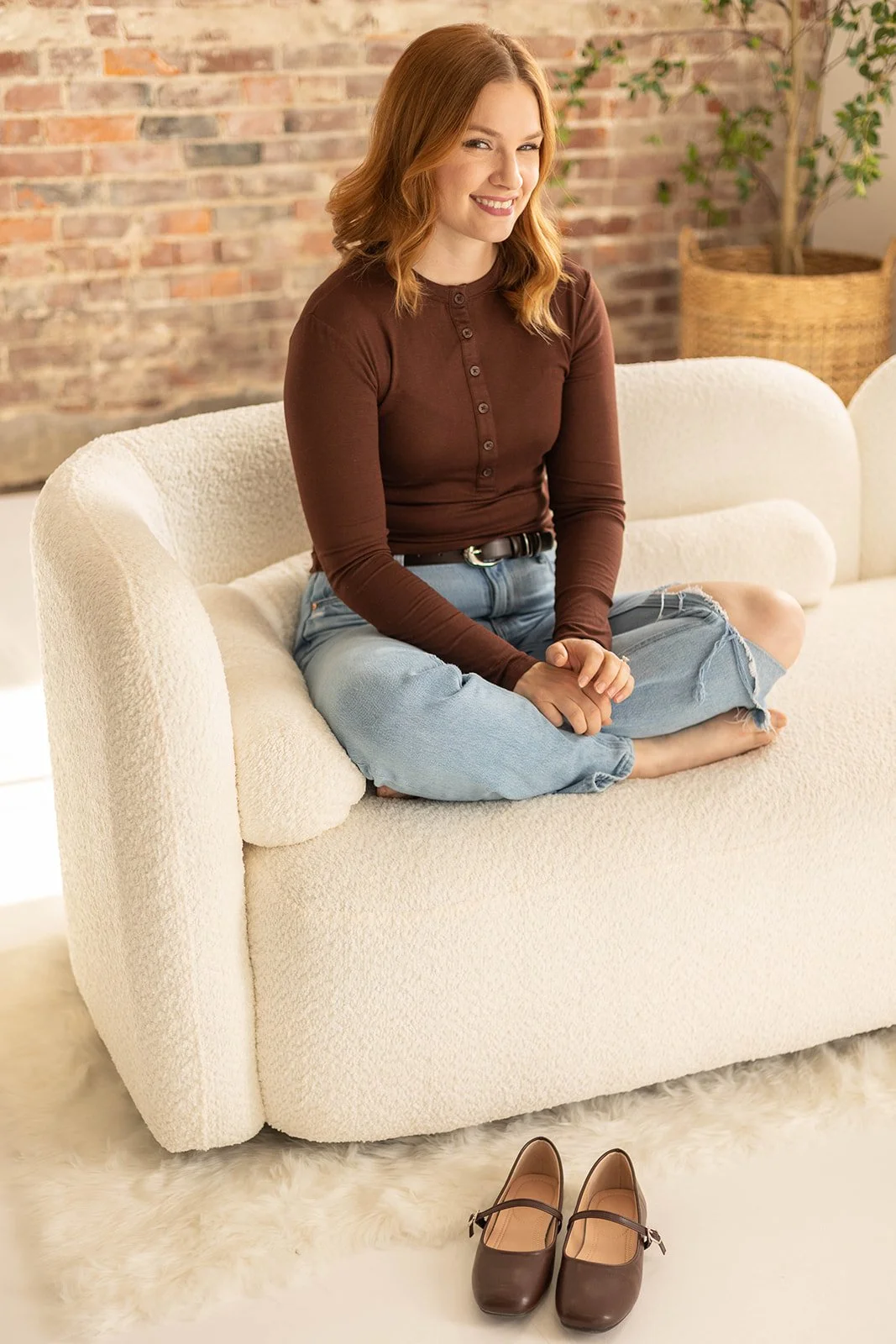
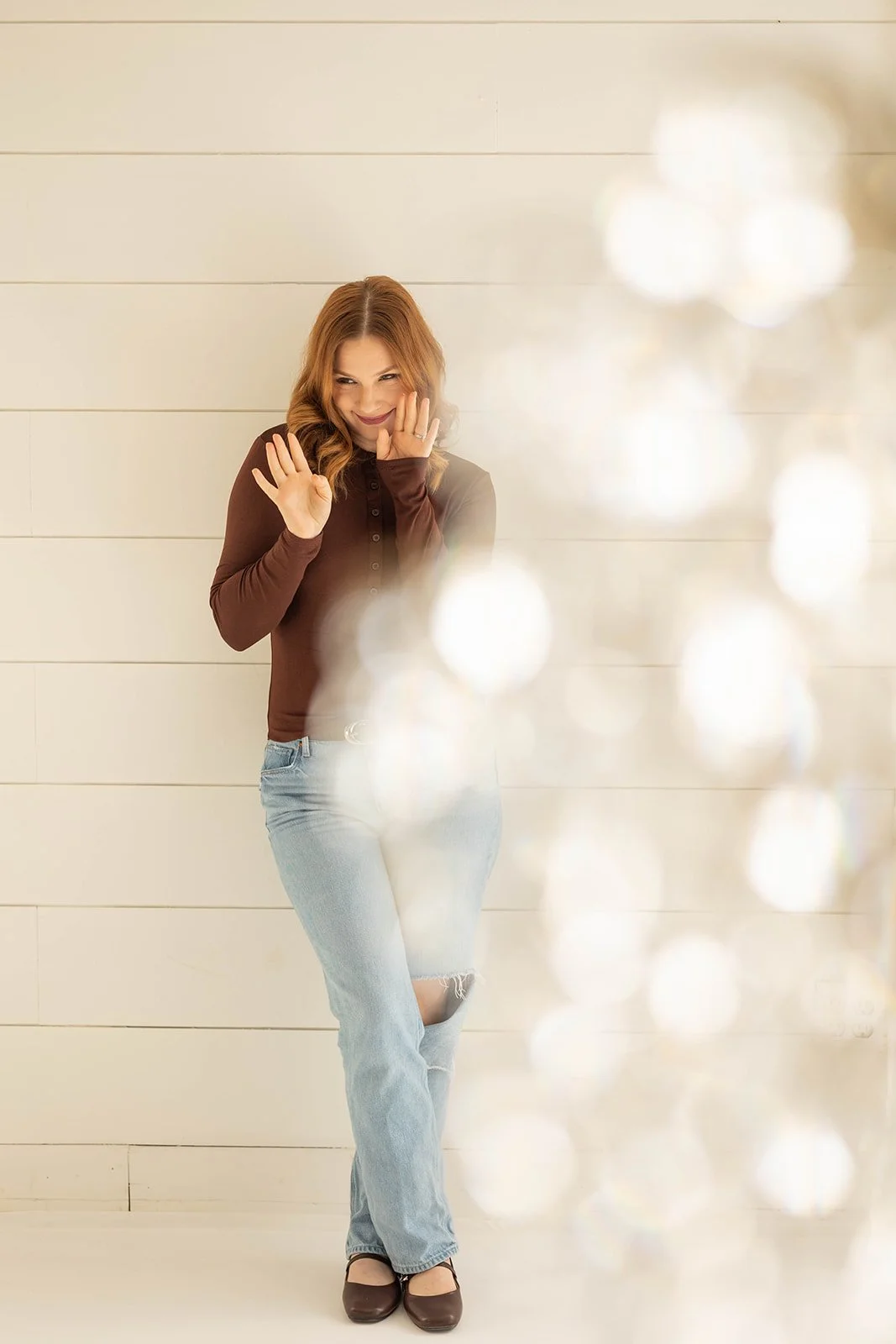
My everyday style tends to lean toward relaxed silhouettes.
You’ll most often find me wearing pieces like:
oversized tees
cozy hoodies
denim
casual layers
I’m absolutely a sneaker-first girl when it comes to footwear. But within that relaxed framework, I’ve learned how to incorporate balance and structure so that my outfits feel polished rather than sloppy. Finding that balance between relaxed and refined, playful and professional has taken years of experimentation.
Learning Professional Style the Hard Way
Understanding professionalism as a style choice did not come easily to me in my early twenties. Working in luxury retail meant navigating environments where appearance carried a certain level of expectation. I had to learn how to present myself in a way that felt polished while still honoring my personality.
That balance didn’t happen overnight. It was edited into existence through trial, error, and a few humbling experiences. One particular moment still stands out clearly in my memory.
I once chose a dress that I absolutely loved, paired it with a structured blazer and a pair of heels, and walked into work feeling incredibly confident. It happened to be the day our district manager was visiting, and I believed I had chosen something that looked both polished and professional.
Later that day, my manager pulled me aside. She kindly told me that my dress was “so cute for everyday life,” but it wasn’t considered appropriate for that specific work setting. I was asked to go home and change. Because I had to clock out to do so, I ended up losing money on my paycheck that day. Instead of driving home, I walked across the parking lot to Target. It was faster. Easier. And honestly, it felt less embarrassing. I bought something that would simply “work for now.”
How Quick Purchases Became a Habit
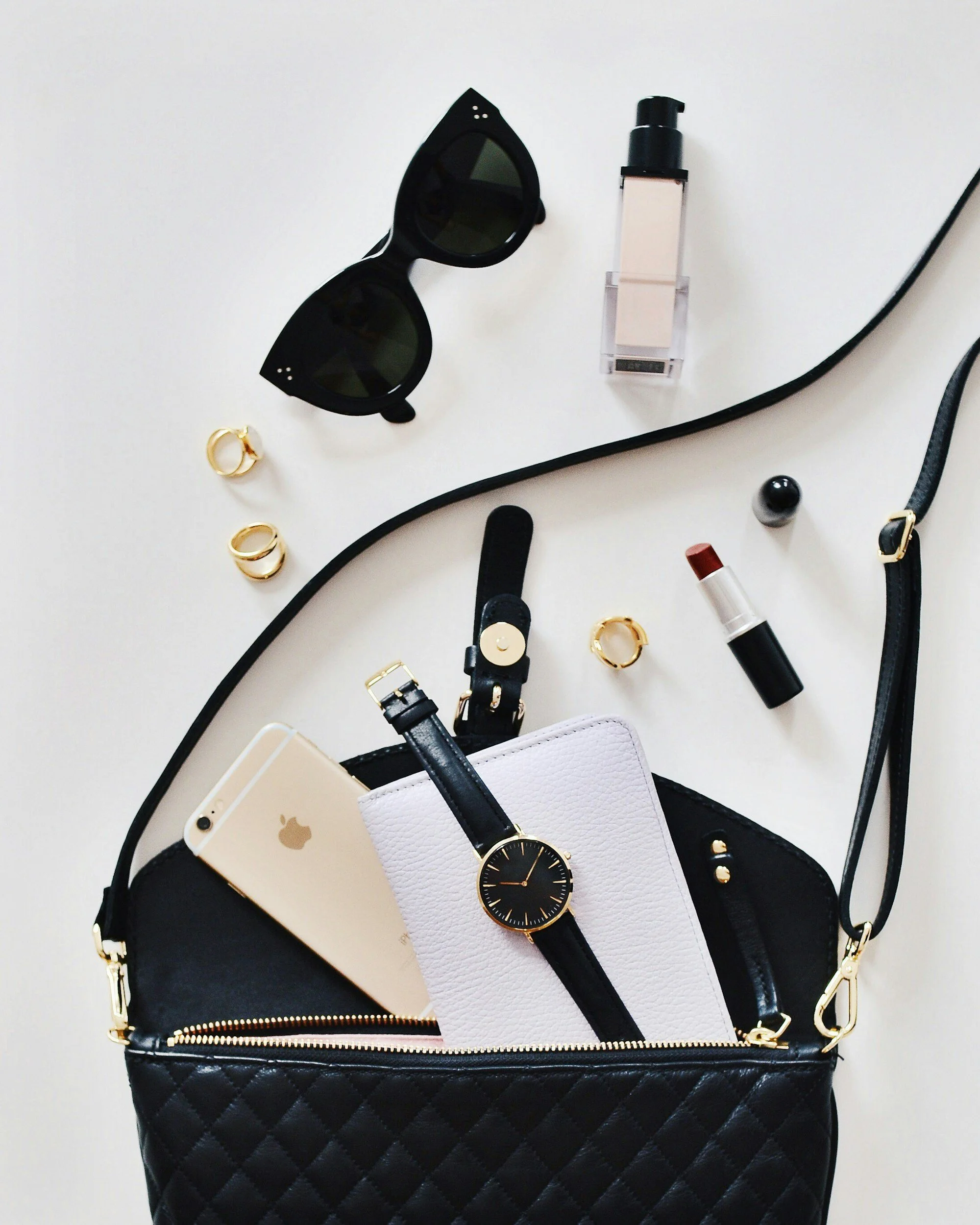
That small moment quietly shaped a pattern in my life. Whenever something felt slightly off about an outfit, or I realized I needed a different pair of shoes or an extra layer, I would walk into Target on my lunch break and buy something quick to fix the problem. At the time, it felt harmless.
But over the years, those small “temporary” purchases began to accumulate.
The cycle of quick shopping and fast fashion became normal. Eventually, I had accumulated plenty of clothing that technically worked for my job — but I hadn’t stopped to think about how much of my income was repeatedly cycling back into items that wouldn’t last beyond a season or two.
Learning to Pause Before Buying
Finding balance in my wardrobe has been a labor-intensive and deeply personal project. Through that process, I’ve slowly learned how to walk through a mall without feeling the need to buy something. I’ve learned that when I feel drawn toward a new garment, there is often something very similar already sitting in my closet. Most importantly, I’ve learned to pause. Now, when I consider a purchase, I approach it much more thoughtfully.
I ask myself several questions:
What will the cost per wear be?
Does this piece fill a genuine gap in my wardrobe?
Will it still feel relevant to my style months or years from now?
If the answer aligns with my needs, my personal style, and my budget, then the purchase becomes intentional rather than impulsive. That shift alone has completely changed how I relate to clothing.
What You’ll Find Here at Edit & Bloom
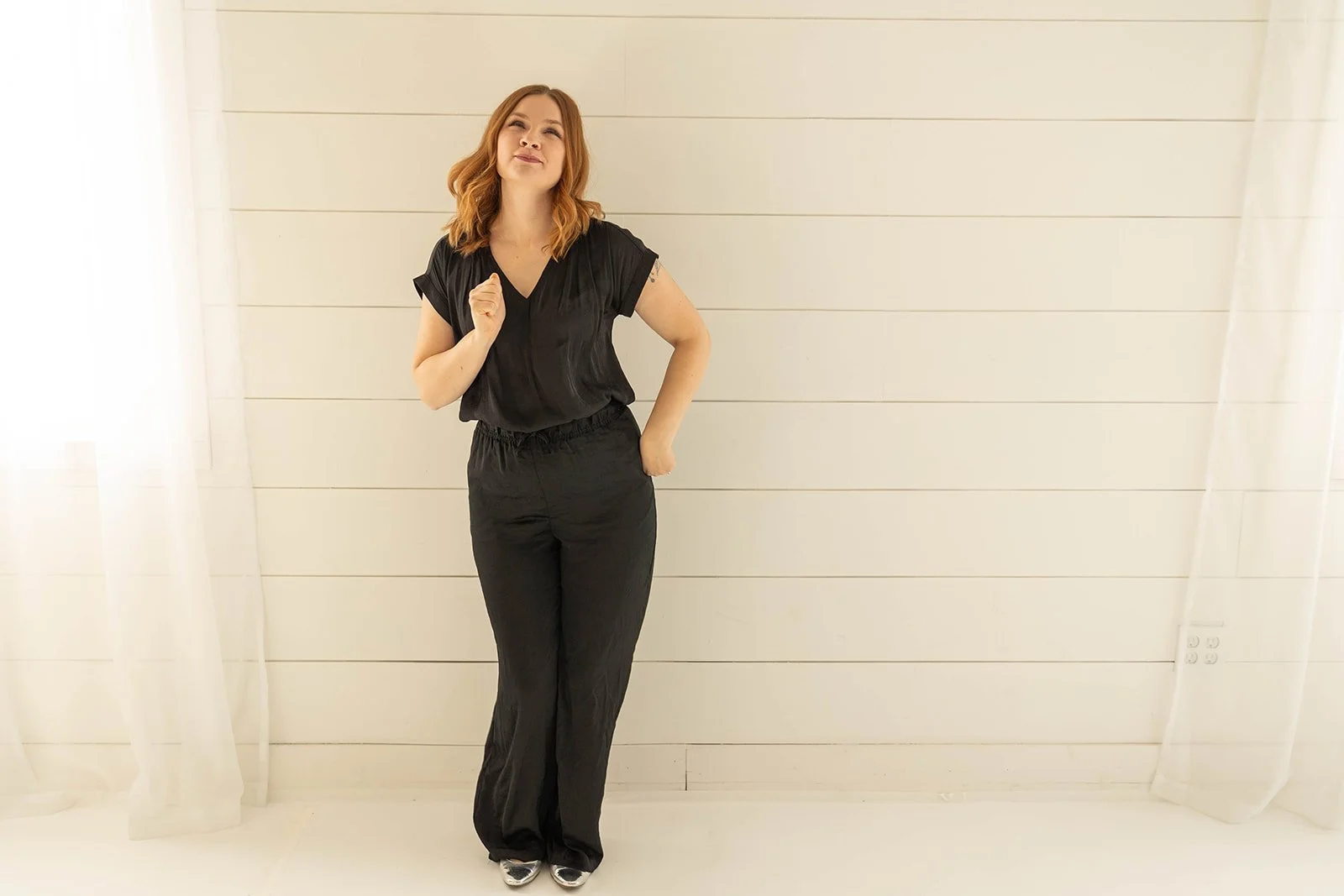
Throughout 2026, I’ll be documenting four seasonal capsule wardrobes:
Winter
Spring
Summer
Fall
Each season will include the full creative process behind the wardrobe.
I’ll share the edits, the experiments, the color palettes, and even the missteps along the way. Personal style is rarely perfected in one attempt, and I believe the learning process is just as valuable as the final result. If you’re interested in personal style, sustainable fashion, or crafting a wardrobe that feels both comfortable and expressive, you’re in the right place.
Edit & Bloom is about refining without rigidity. It’s about restraint that still feels playful. And it’s about understanding that “less” doesn’t mean nothing — it simply means chosen. I hope to share what I’m learning, continue honing this process, and invite you to grow alongside me.
Let’s edit thoughtfully.
Let’s bloom fully.
FAQ: Personal Style, Capsule Wardrobes, and Intentional Fashion
What is a capsule wardrobe?
A capsule wardrobe is a curated collection of versatile clothing pieces that work well together and can create many different outfits. The goal is to focus on quality, cohesion, and personal style rather than constantly adding more items.
How do you start building a capsule wardrobe?
Start by identifying the clothing pieces you already wear the most. From there, remove items that no longer fit your lifestyle or style preferences and focus on building outfits around versatile staples.
Why is intentional fashion important?
Intentional fashion encourages thoughtful purchasing habits. Instead of buying clothing impulsively, it focuses on selecting pieces that align with your personal style, lifestyle needs, and long-term wardrobe goals.
