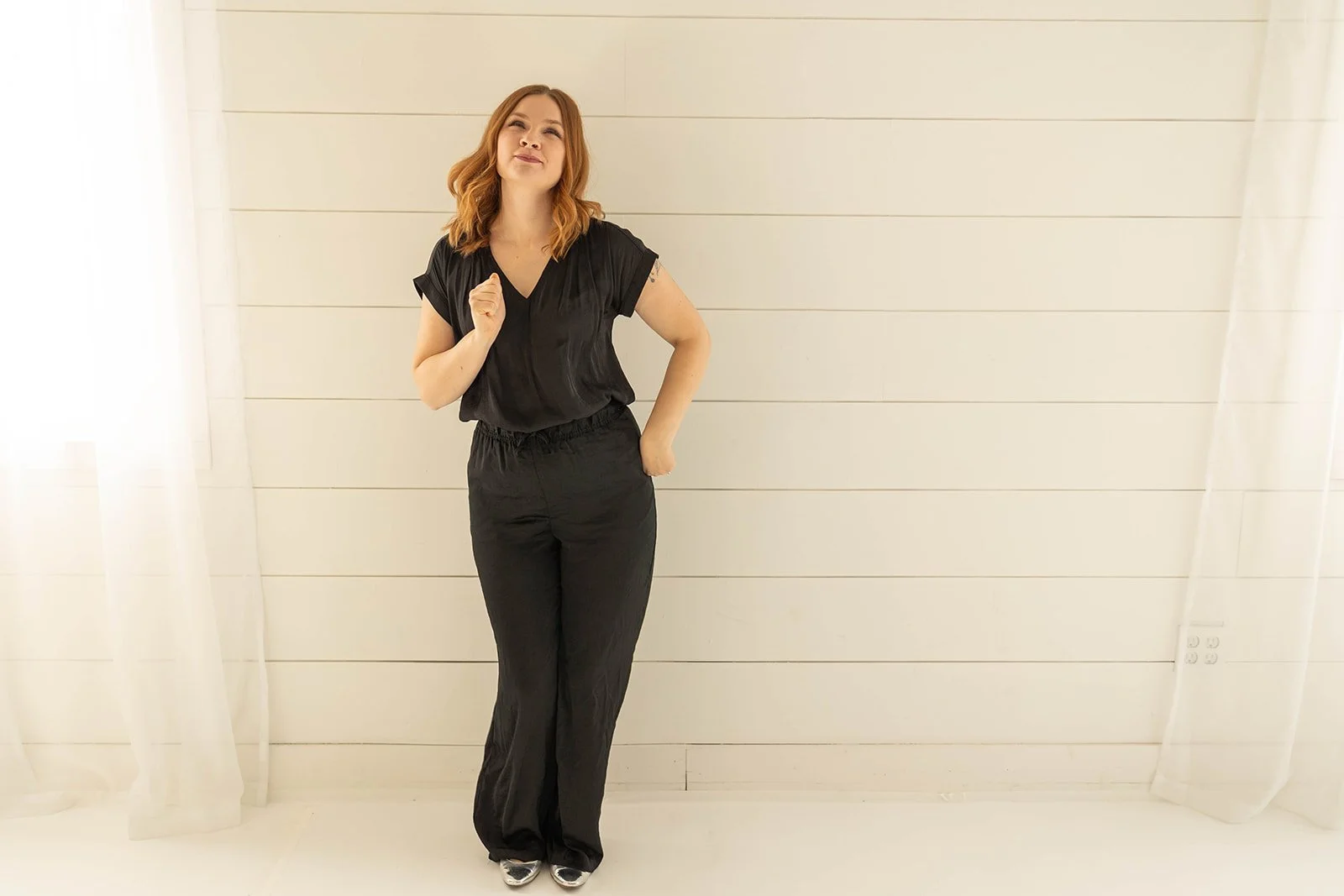
My personal style philosophy is built around a simple little formula that I’ve mostly followed subconsciously for years. Now that I’m intentionally documenting my wardrobe and my outfits, I’m beginning to realize that this formula is actually a culmination of several ideas I’ve picked up from other stylists and creators throughout my career in luxury retail.
Working in fashion for years exposes you to countless styling methods, outfit formulas, and wardrobe philosophies. Some are complicated and trend-driven, while others are simple systems that make getting dressed easier and more creative. Over time, I naturally adopted the ones that helped me build the best outfits using the clothes I already owned.
Personally, I like to rely on a handful of styling tools that help me create outfits that feel balanced, interesting, and expressive without constantly buying new things. These methods encourage creativity and allow me to use the same pieces in multiple ways rather than letting them sit unused in my closet.
Today we’re going to explore the six different styling methods I’ve used throughout my luxury retail career. Each one helps me approach my wardrobe from a slightly different angle, and together they form the foundation of my personal style formula.
The styling methods we’ll explore include:
Tibi’s Big, Slim, Skin
The Rule of 3
Texture Rich Pieces
Color Analysis
Shape Analysis (Column | Medium, Medium, Medium)
Dopamine Dressing
When these tools are layered together, they can transform even the simplest outfits into something thoughtful and visually interesting.
Why Personal Style Formulas Matter
Like most people, I have comfort colors, silhouettes, and styles that I naturally gravitate toward. I think that’s completely normal and honestly a big part of developing a recognizable personal style.
However, this is also where wardrobe redundancy and boredom can start to sneak in. When we repeatedly reach for the same types of outfits, we sometimes stop exploring new combinations that might express our personality even better.
Using a few styling frameworks gives us gentle boundaries to work within while still allowing room for creativity. These tools help expand the possibilities in our wardrobes without requiring us to constantly shop for something new.
Throughout my career, black clothing has been my main color, mostly because of professional dress codes in luxury retail environments. Wearing black daily became second nature. But my true personal style is actually much more playful and expressive than an all-black wardrobe might suggest.
I love pattern, color, and texture. I’m also drawn to pieces that feel slightly quirky or unconventional. Without a sense of balance, though, those elements can sometimes feel chaotic rather than intentional.
That’s where these styling methods come in. Each one helps bring structure and balance to the creativity I enjoy so much.
In today’s post, we’ll explore how these tools can help craft a beautifully curated wardrobe that tells a story—your story.
Tibi’s Big, Slim, Skin
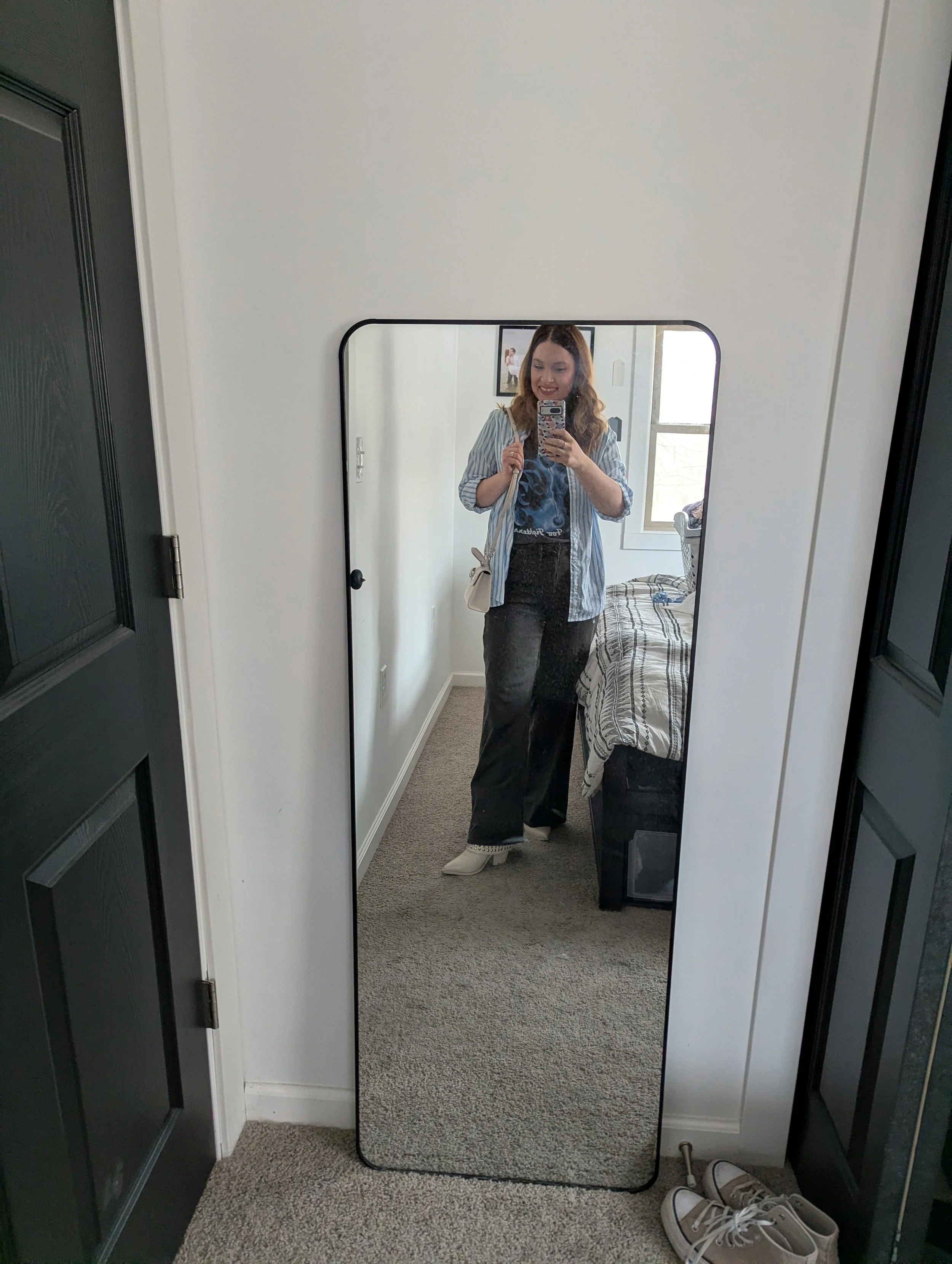
One of the most helpful styling frameworks I’ve learned is the Big, Slim, Skin concept popularized by the brand Tibi.
This outfit formula focuses on balancing three elements:
Big: an oversized or voluminous piece
Slim: a more fitted item
Skin: a small amount of visible skin
Together, these create visual balance that makes an outfit feel effortless and harmonious.
Many of us already do this naturally when getting dressed. For example, if you’re wearing an oversized t-shirt and want a relaxed casual look, you might pair it with biker shorts.
In this case:
The oversized tee becomes the big element
The biker shorts provide the slim silhouette
Your arms and legs provide the skin
Without consciously thinking about it, you’ve created a balanced outfit that feels easy on the eyes. Our brains naturally look for this kind of visual harmony, which is why outfits built this way often feel immediately “right.”
The Rule of 3
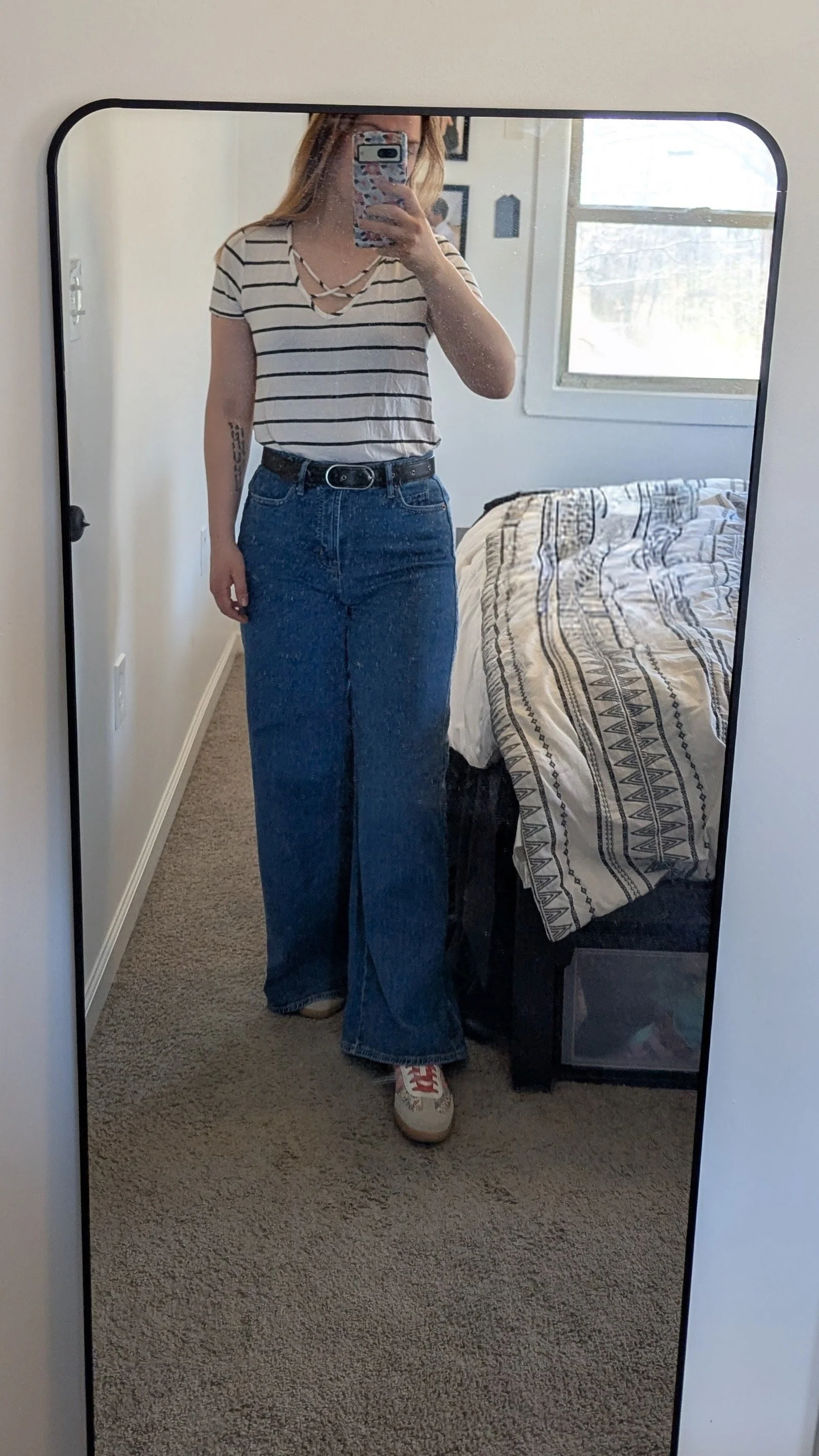
Another simple but powerful outfit formula is known as The Rule of 3.
This idea suggests that outfits often feel more complete when they include three key visual elements rather than just two.
If we return to the oversized tee and biker shorts example, we currently have two pieces. To apply the Rule of 3, we simply introduce a third element that adds interest and structure.
For me, the easiest way to do this is by adding an outer layer such as a jacket. An oversized denim jacket is one of my favorite choices because it adds dimension without overcomplicating the outfit.
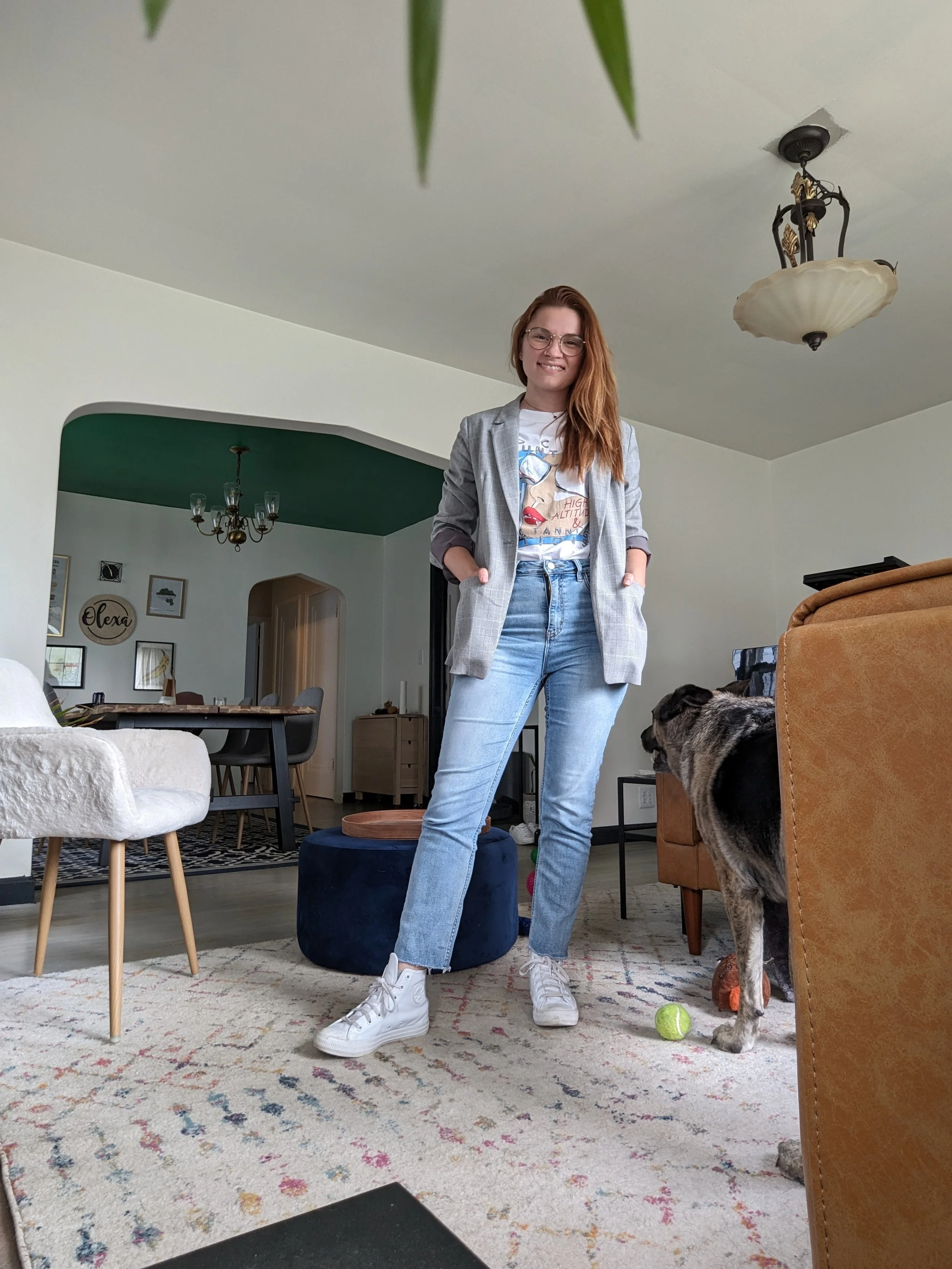
However, the third piece doesn’t always have to be a jacket. Many people incorporate their third element through accessories like shoes, bags, or hats.
This small adjustment can instantly elevate a simple outfit into something that feels styled and intentional.
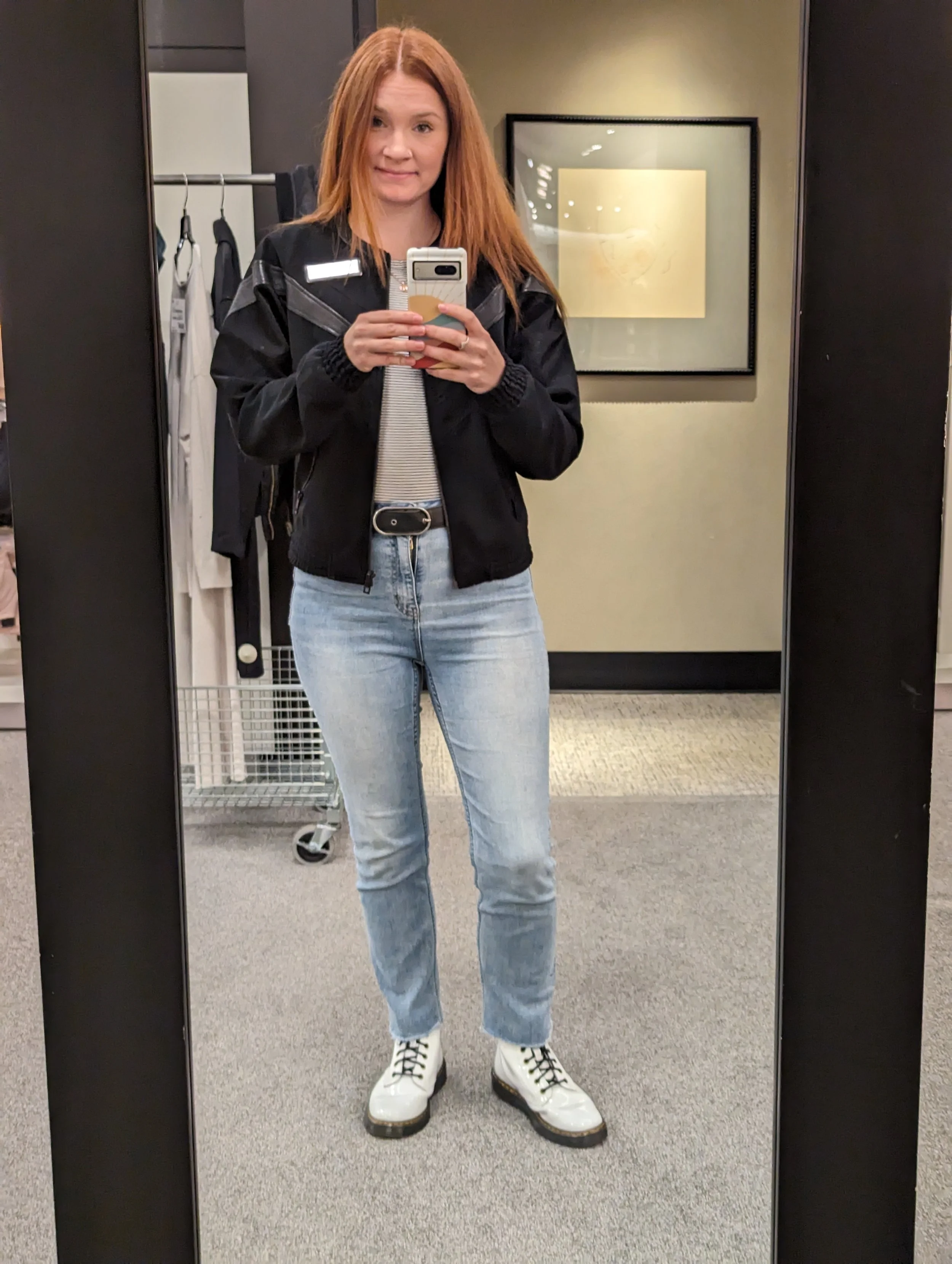
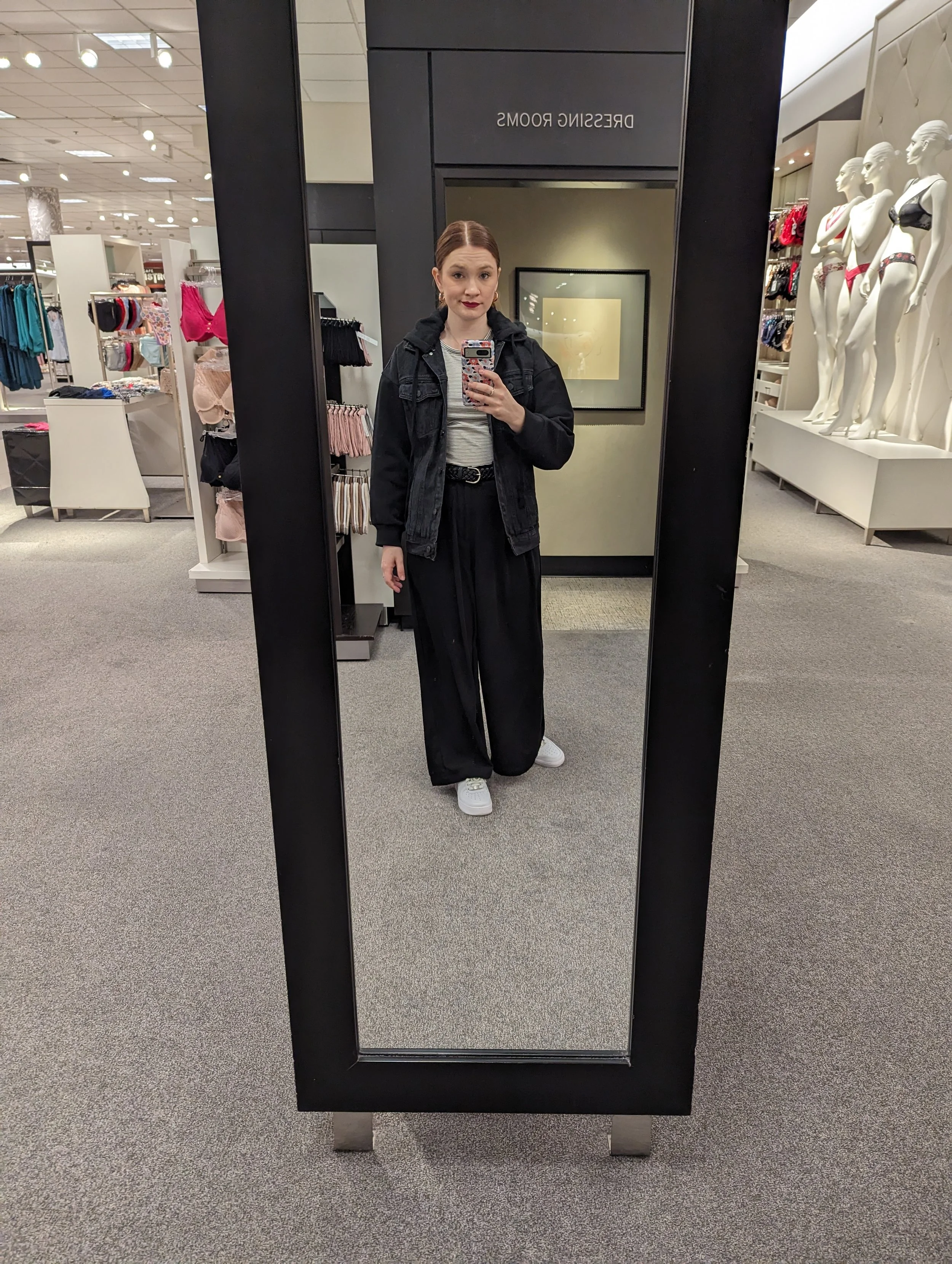
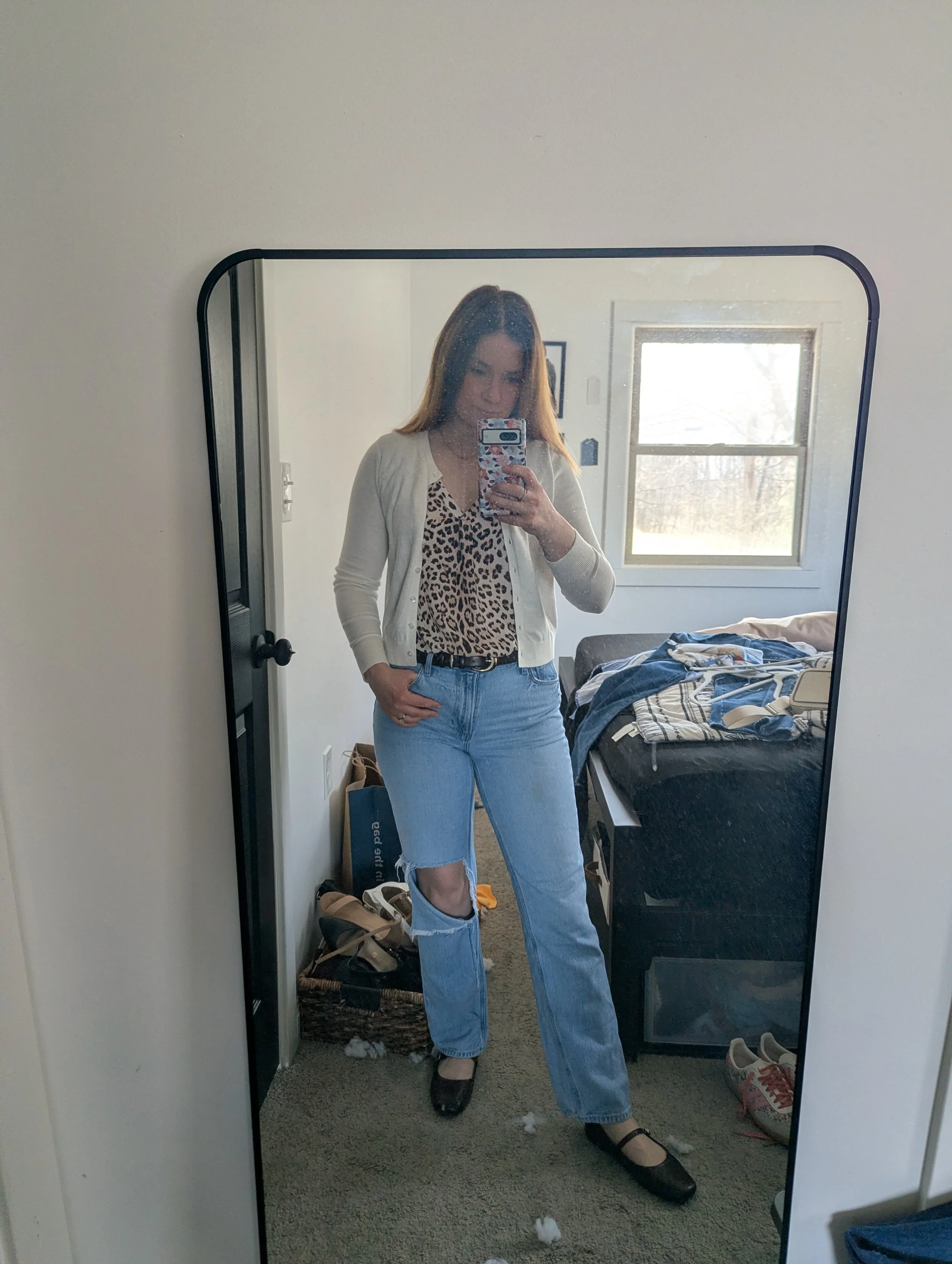
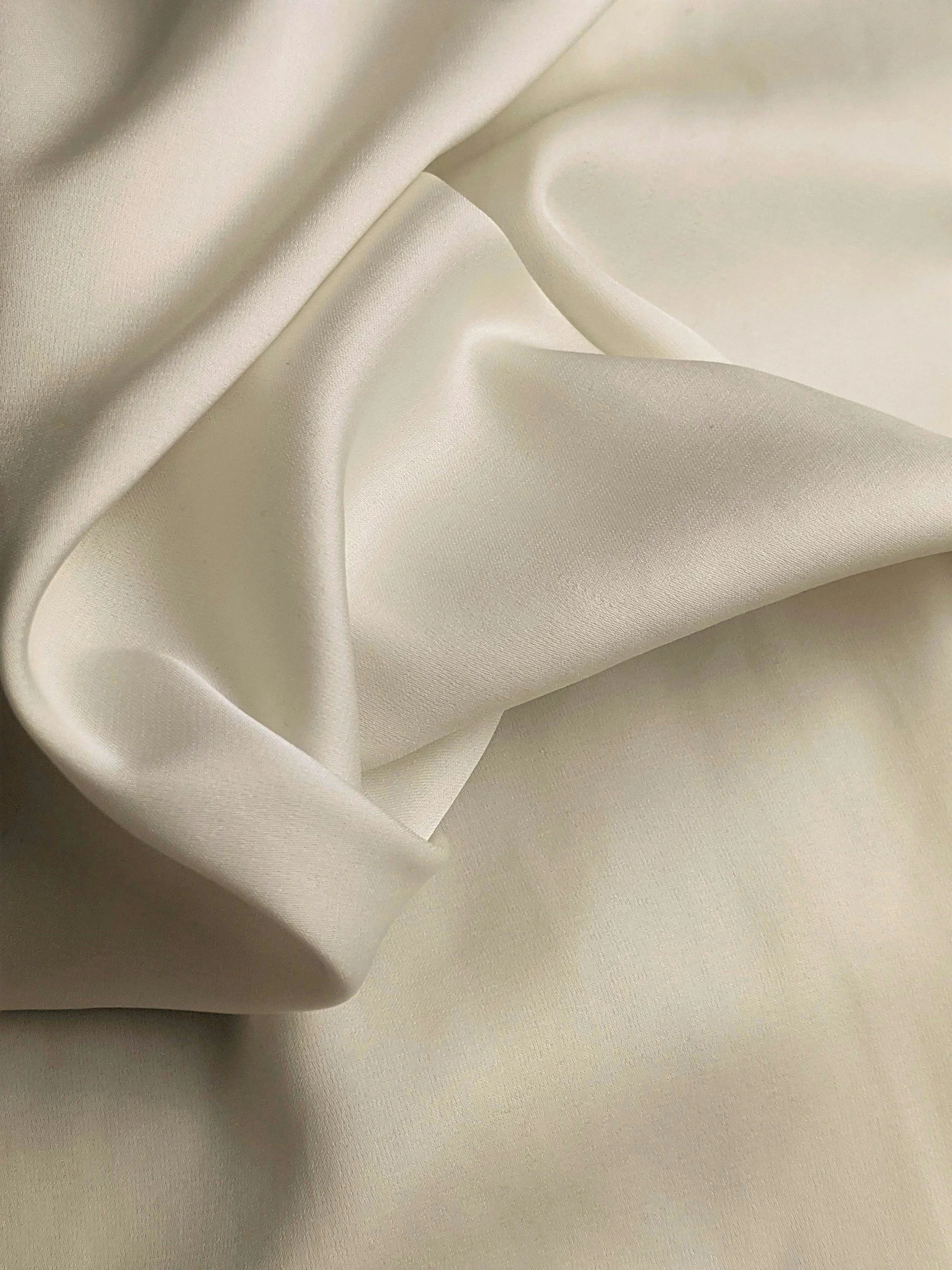
Using Texture to Add Visual Interest
Texture is one of my absolute favorite ways to play with personal style.
When someone tends to wear a lot of the same color—like black, in my case—texture becomes incredibly important. It creates depth and visual interest even when the color palette remains minimal.
One way I like to experiment with texture is by stacking it alongside the other styling tools we’ve discussed.
Imagine we start with our oversized tee and biker shorts again, but this time we switch the shirt to a black version. We keep the shorts and add our oversized denim jacket as the third piece.
Now we have an opportunity to introduce texture in subtle but impactful ways.
For example, I might add lace-trimmed or ruffle socks. This small detail introduces softness and femininity while also elevating the casual nature of the outfit.
Another option would be swapping sneakers for a more structured shoe like a combat boot or a ballet flat. A textured hat or woven bag can also add an unexpected dimension to an otherwise simple look.
These small choices build layers of interest that make the outfit feel thoughtful rather than basic.
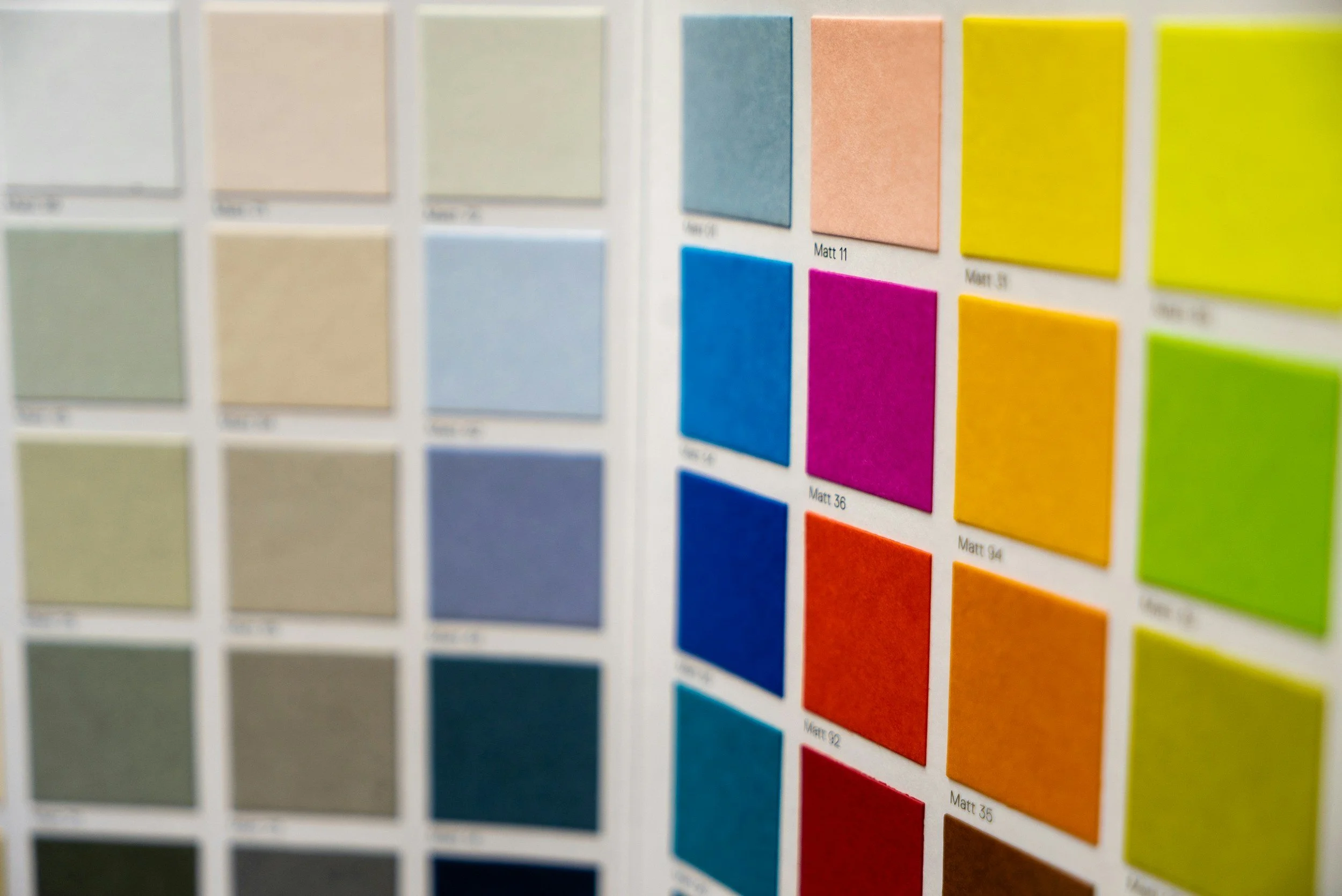
Color Analysis and Understanding Your Palette
One styling tool that has dramatically improved my wardrobe decisions is color analysis.
Color analysis helps determine which color families complement your natural skin tone, hair, and overall contrast level. When used thoughtfully, it can make clothing feel much more harmonious and flattering.
Personally, I use the Style DNA app, which analyzes photos taken in natural lighting and suggests color palettes that work best with your complexion.
According to this analysis, I fall into the Cool Summer color season. That means soft, cool-toned colors tend to flatter my skin the most.
Interestingly, black is technically not considered one of the most flattering colors for my palette because it creates a very dramatic contrast against my skin tone.
However, because black has been such a consistent part of my professional wardrobe, I’m not interested in eliminating it entirely.
Instead, I’ve found ways to incorporate black differently. Outside of work uniforms, I often use black primarily through accessories like shoes, belts, and handbags rather than as the dominant clothing color.
This allows me to maintain a cohesive wardrobe while still leaning into colors that complement me better.
Shape Analysis and Understanding Body Balance
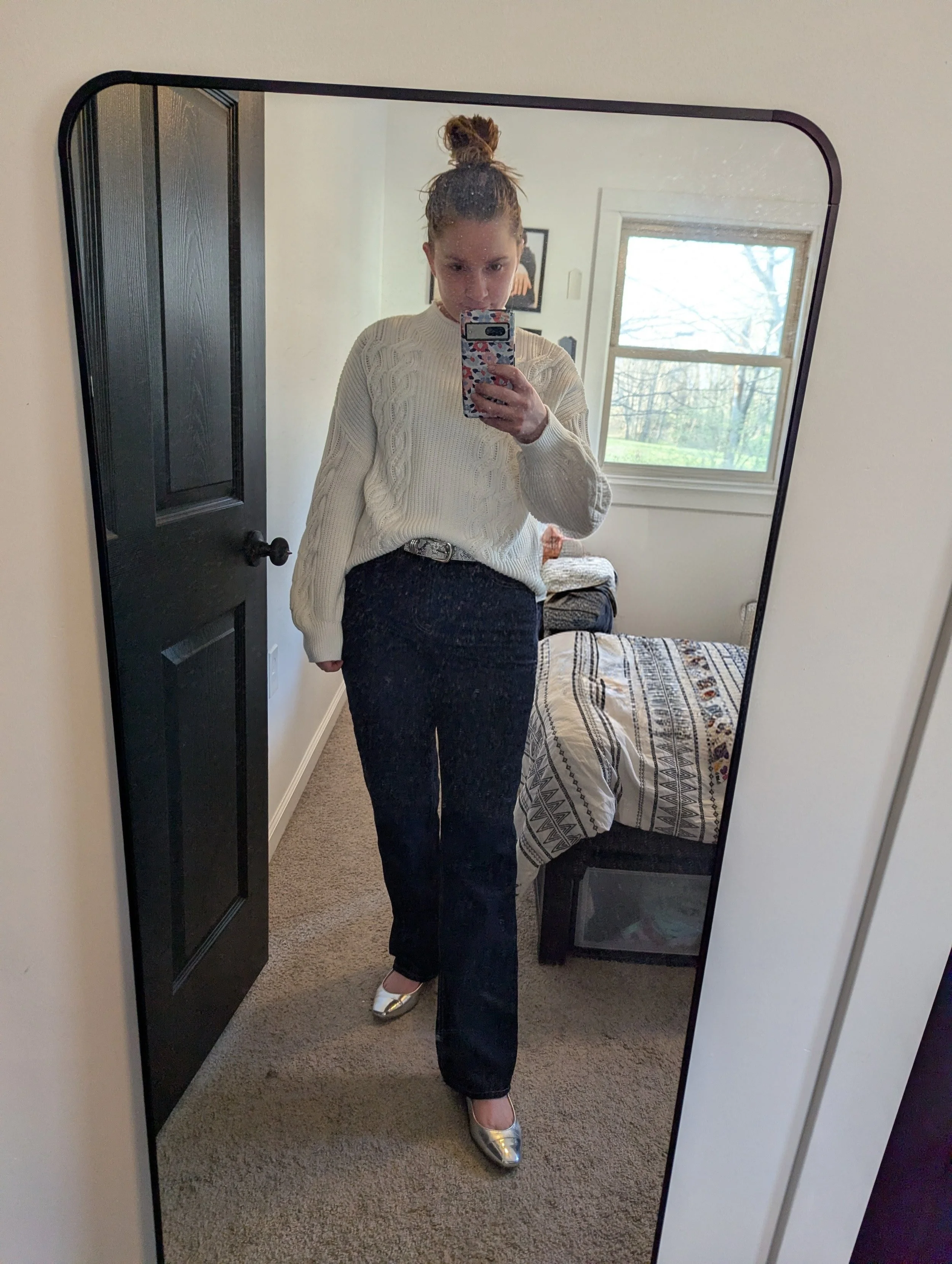
Another helpful tool in building balanced outfits is shape analysis.
Shape analysis focuses on how garments interact with your body’s proportions and overall frame. It’s less about changing your body and more about understanding how clothing can create visual balance.
In my case, I fall into what I describe as a column shape with medium proportions.
That means:
My frame is medium in size
My proportions are fairly balanced if you visually divide my body
I’m neither extremely narrow nor particularly rounded
This middle-ground structure is actually somewhat uncommon, which makes it interesting to style.
Understanding this helps guide my decisions around necklines, pant rises, and the overall volume of garments. If I wear too many oversized pieces at once, the outfit can quickly overwhelm my frame. On the other hand, extremely fitted clothing everywhere can feel restrictive and unbalanced.
By keeping my proportions in mind, I can create outfits that feel harmonious rather than exaggerated.
Dopamine Dressing and Mood-Boosting Pieces
The final styling tool I love incorporating is dopamine dressing.
Dopamine dressing refers to wearing pieces that spark joy, boost your mood, and make getting dressed feel exciting rather than routine.
These items often become signature pieces in your wardrobe because they carry a strong emotional connection.
For me, a few of my dopamine pieces include:
metallic Mary Jane flats
my strawberry hoodie from Kate Spade x Target
my classic Adidas Samba sneakers in a floral pattern
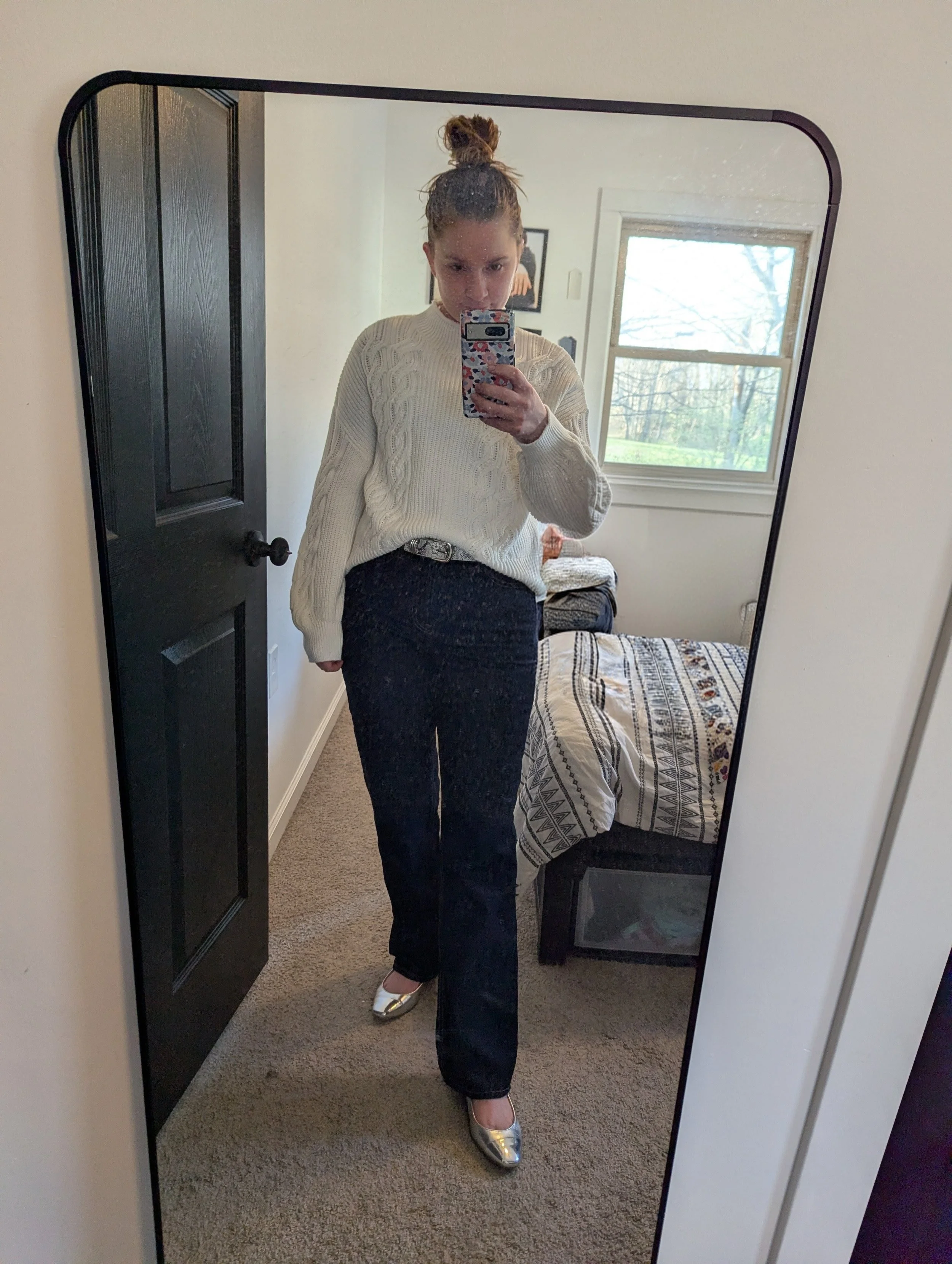
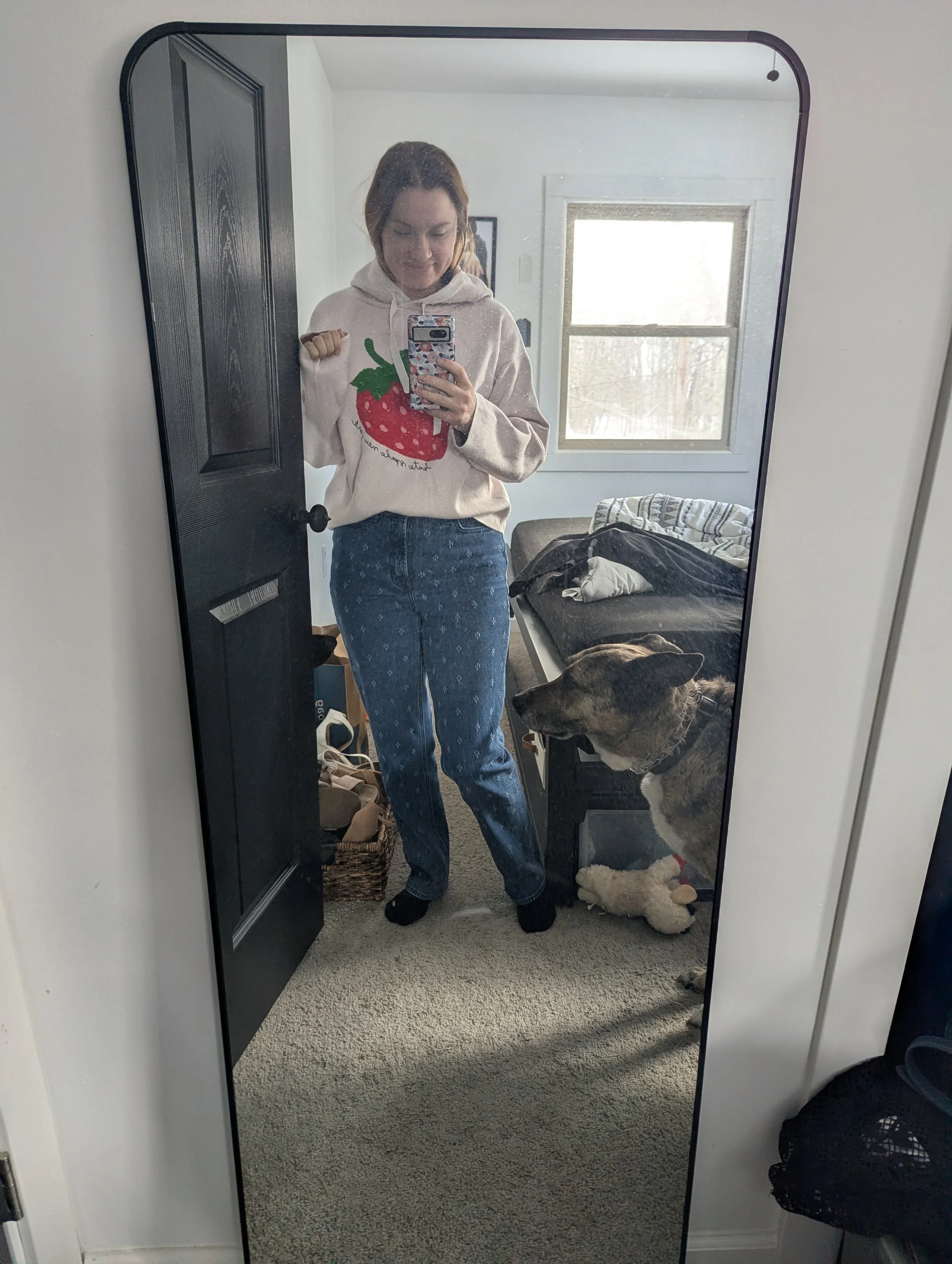
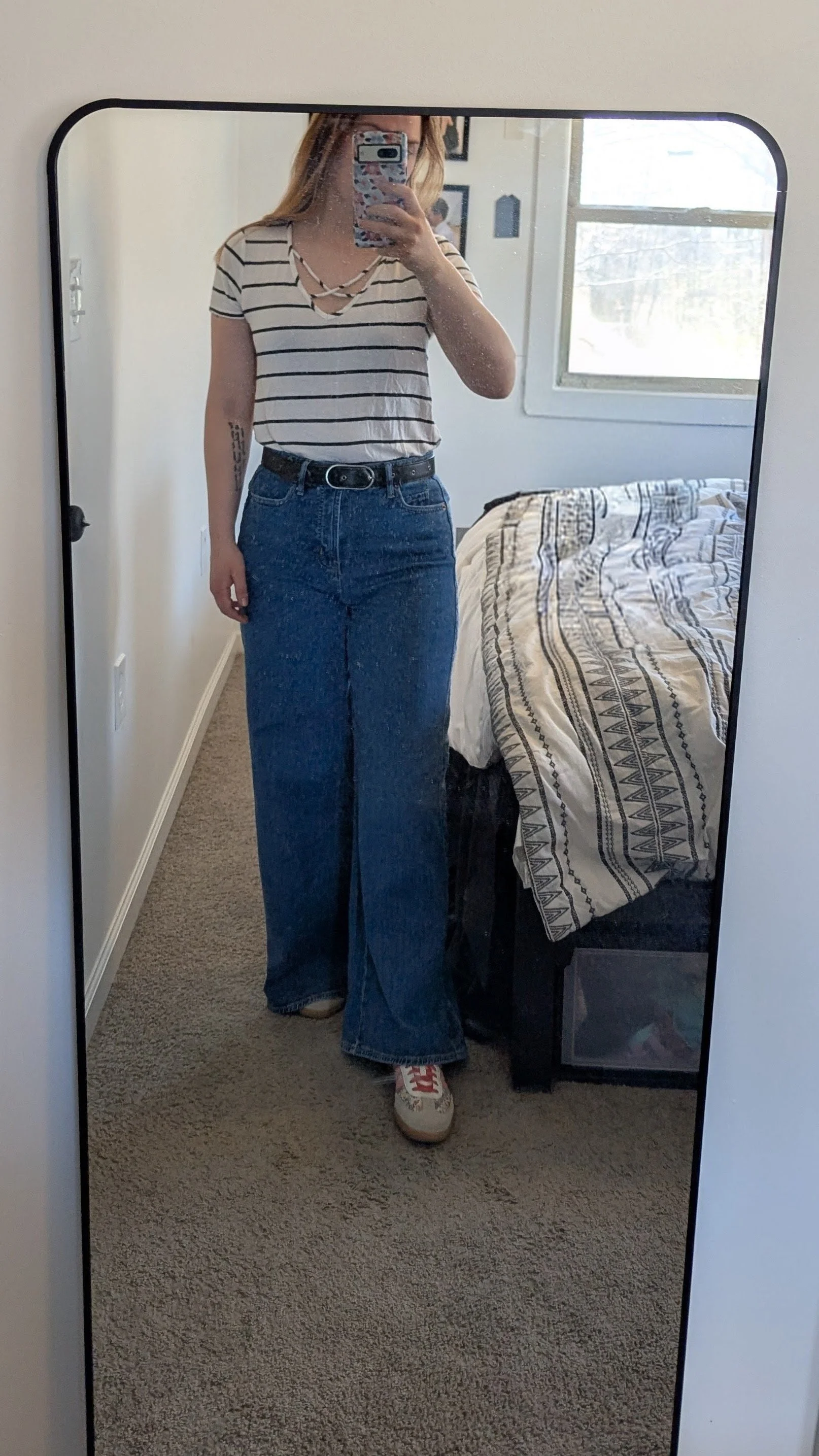
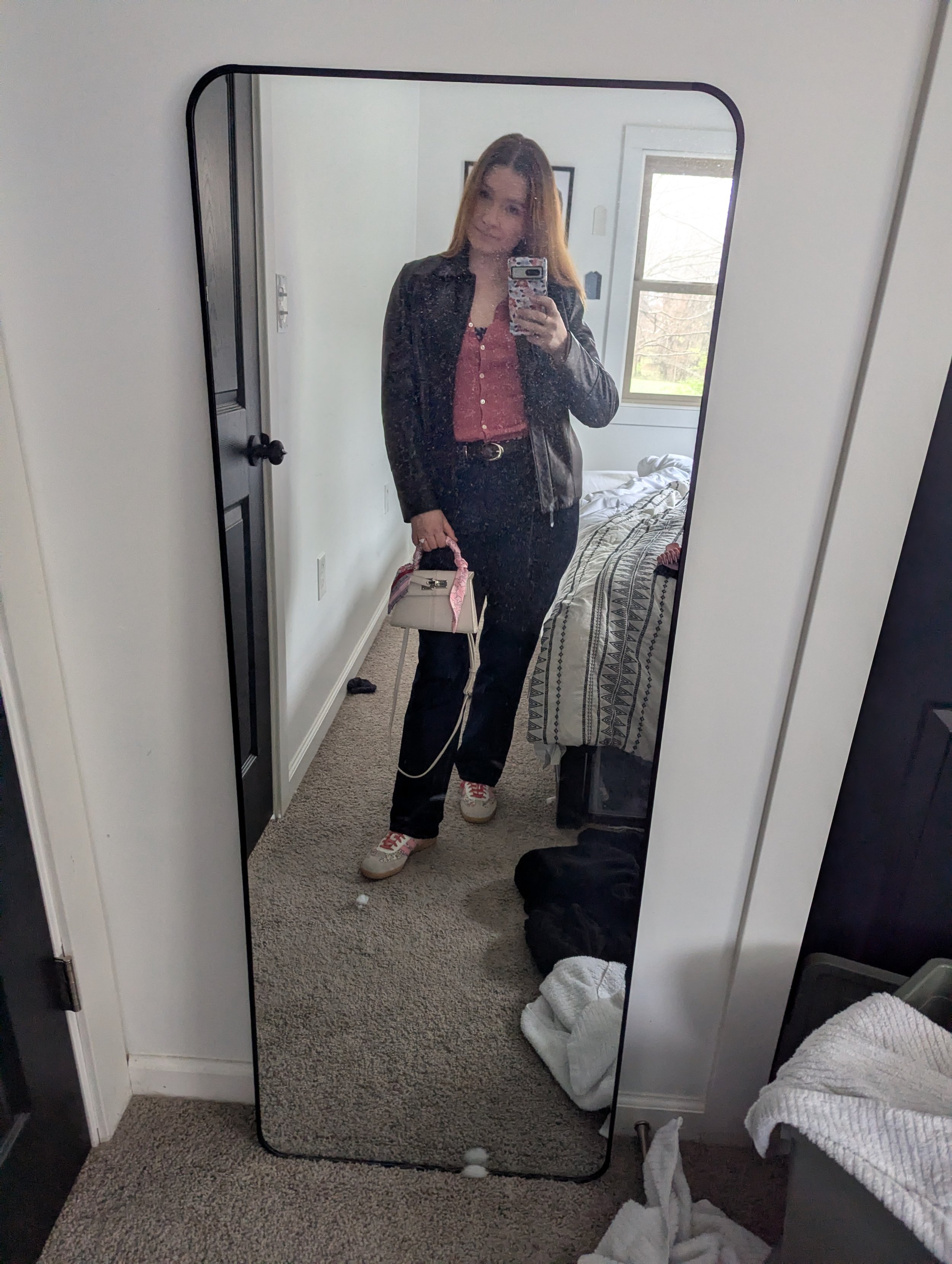
Each of these pieces brings something different to my outfits. They add personality, color, and sometimes a playful element that feels authentic to my style.
More importantly, they make me feel good when I wear them.
And when you feel good in what you’re wearing, it shows.
Bringing These Styling Methods Together
When I combine these styling tools—Big, Slim, Skin, the Rule of 3, texture layering, color analysis, shape analysis, and dopamine dressing—I’m able to create outfits that feel visually rich and expressive without being overwhelming.
These methods work almost like building blocks. Sometimes I use just one or two of them, while other times I layer several together.
The goal isn’t perfection. The goal is simply to make getting dressed more intentional and more creative.
Over time, these small styling decisions shape a wardrobe that reflects who you are and how you want to show up in the world.
And ultimately, that’s what personal style is really about.
If you try any of these styling methods in your own outfits, I’d love to see how you interpret them. Feel free to tag me on Instagram at @editbloomstyle so I can follow along with your style journey.
